
Landscape Lighting Placement
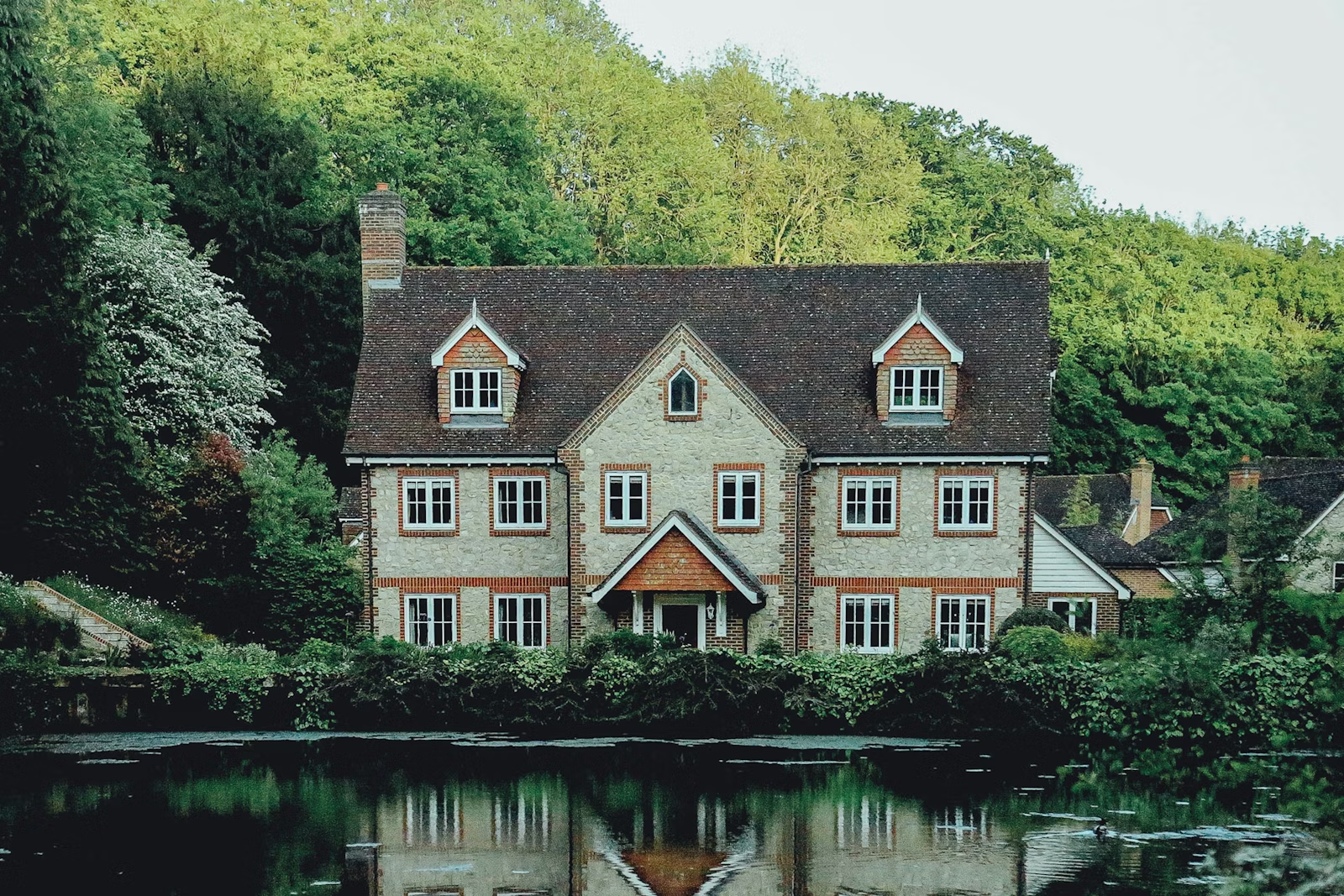
Use staggered path lighting and accent lights to improve curb appeal and nighttime visibility.
Portfolio lighting placement is one of the most important factors in creating beautiful outdoor lighting and functional indoor illumination.
Portfolio lighting placement is one of the most important parts of creating beautiful outdoor lighting and practical indoor illumination. The right placement can improve safety, highlight landscaping, and make your home feel more inviting at night.
The best Portfolio lighting placement improves visibility, highlights your favorite home features, and creates a balanced lighting design without harsh glare or wasted fixtures.
Many homeowners spend a lot of time choosing a lighting fixture but do not spend enough time deciding where the light should actually go. Even a quality Portfolio fixture will not perform well if it is installed in the wrong location.
Good lighting placement helps reduce dark areas around your home, improve security, and create a more welcoming outdoor environment. Proper placement can also draw attention to landscaping features, improve curb appeal, and make walkways safer at night.
Landscape lighting is one of the most popular uses for Portfolio lighting fixtures. Strategic placement around walkways, trees, garden beds, and entry points can make your yard look more polished while also improving visibility.
Path lights usually work best when they are spaced about 6 to 8 feet apart, depending on the brightness of the fixture. Instead of placing every light directly across from another, many homeowners prefer a staggered pattern. That creates a softer and more natural lighting effect.
Path lights should illuminate walking areas without shining directly into people’s eyes. A smart approach is to place them slightly off to the side of the path rather than centered on the edge of the walkway.
It is especially helpful to add lighting near driveways, steps, curves, and transitions between surfaces. These are the spots where extra visibility improves both safety and appearance.
Deck lighting can make outdoor entertainment areas feel more inviting and also reduce the risk of trips and falls at night. Fixtures are often placed along railings, steps, seating areas, and the perimeter of the deck for soft, balanced illumination.
Low voltage lighting systems are a popular choice for decks and patios because they are energy efficient and easier to expand if you decide to add more fixtures later.
Indoor lighting placement is more focused on room function and comfort. Kitchens, bathrooms, and workspaces usually benefit from brighter task lighting, while living rooms and bedrooms often benefit from softer accent lighting.
For example, under cabinet lighting is commonly placed to illuminate countertops where food preparation happens. Pendant lights are often centered above islands or dining tables to provide more focused light exactly where it is needed.
One common mistake is installing too many lights in a small area. Too much light can create glare and make the design look harsh rather than balanced.
Another common problem is placing fixtures too close together. Leaving enough space between lights usually creates a more natural look and reduces unnecessary energy use.
It also helps to avoid aiming accent lights straight into windows or directly at areas where people will be sitting. Thoughtful placement gives you the best mix of appearance, comfort, and function.
Thoughtful lighting placement can transform both indoor and outdoor spaces. From highlighting landscape features to improving walkway safety, well-placed lights help create a more functional and attractive home environment.
Whether you are installing a full landscape lighting system or simply replacing a few fixtures, planning your placement in advance will help you get better results from every Portfolio light you use.
These examples show how thoughtful lighting placement can improve safety, highlight design features, and make indoor and outdoor spaces feel more polished.
Use staggered path lighting and accent lights to improve curb appeal and nighttime visibility.
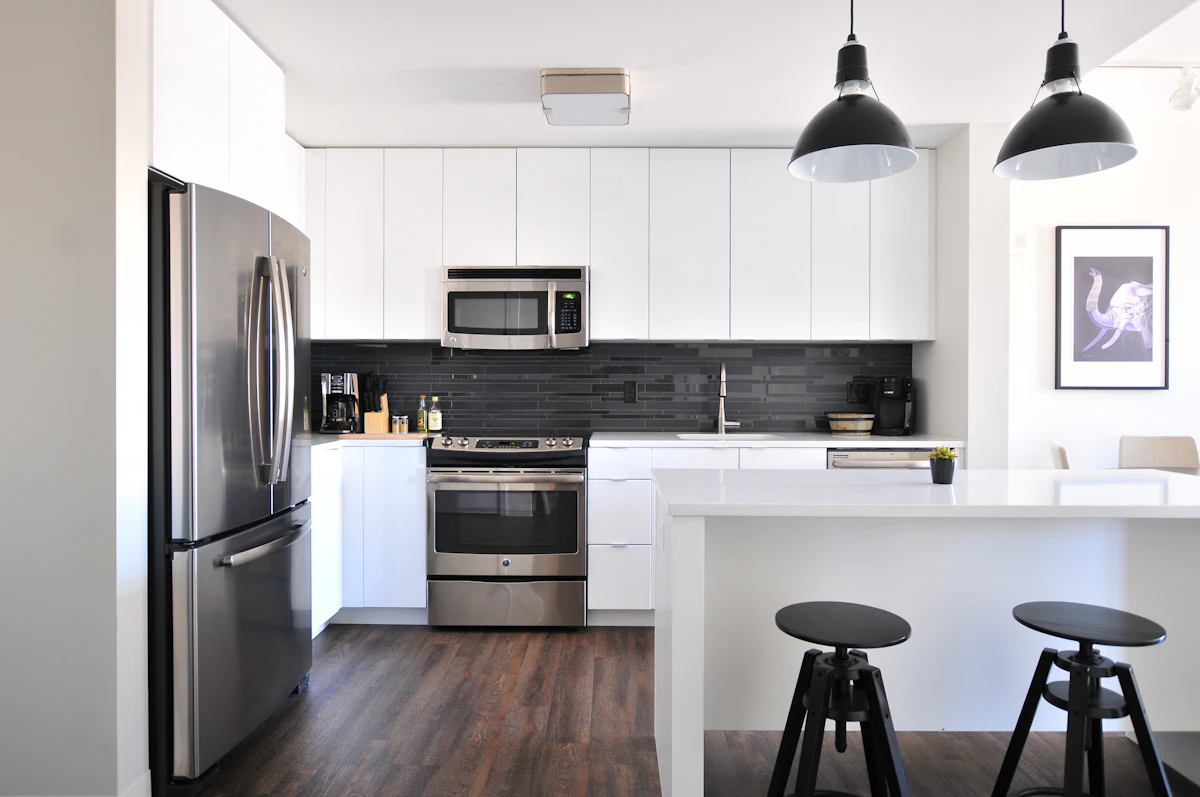
Place under cabinet and pendant lighting where focused brightness improves everyday function.

Wall fixtures and accent lights work best when they highlight a feature without overpowering the room.
Explore more Portfolio lighting pages for installation, troubleshooting, parts, and outdoor lighting ideas.