

Philip Meyer created PortfolioLighting.net to help homeowners solve real lighting problems with clear, focused content on Portfolio fixtures, low-voltage systems, replacement parts, transformers, wiring, photocells, and compatible alternatives.
The site is built around one goal: make outdoor lighting problems easier to understand before a homeowner spends money on the wrong part, replaces the wrong fixture, or overlooks a simple issue like a failed bulb, loose connection, transformer overload, bad photocell, or worn support component.
Philip Meyer specializes in diagnosing and repairing discontinued Portfolio landscape lighting systems, with a focus on transformers, low-voltage wiring, photocells, and real-world troubleshooting scenarios homeowners face.
If you are looking for the fastest starting point, use the troubleshooting page, parts and accessories guide, or model number lookup page.
How I Conduct My Research
Every guide on PortfolioLighting.net begins with technical manual teardowns, real-world voltage testing, and discontinued model research. My goal is to help homeowners identify the actual cause of a lighting problem before they waste money replacing the wrong part.
I study fixture construction, transformer behavior, photocell and timer issues, low-voltage wiring paths, and replacement part compatibility across older and discontinued Portfolio lighting systems.
When exact replacement parts are no longer sold, I compare historical model information, fixture dimensions, mounting styles, bulb compatibility, and system requirements to help readers find the closest working alternative.
Use of AI-Generated Images and Real-World Examples
Some visual elements on PortfolioLighting.net are created using AI-assisted image tools to help illustrate lighting layouts, system diagrams, and conceptual scenarios that would otherwise be difficult to photograph.
These images are used strictly as visual aids and are always paired with real-world troubleshooting experience, hands-on testing, and practical system knowledge. AI-generated visuals are not used to replace actual diagnostic guidance or product evaluation.
All technical recommendations, troubleshooting steps, and replacement guidance are based on real-world lighting scenarios, including transformer behavior, wiring issues, fixture failures, and discontinued Portfolio system analysis.
Who Is Philip Meyer?
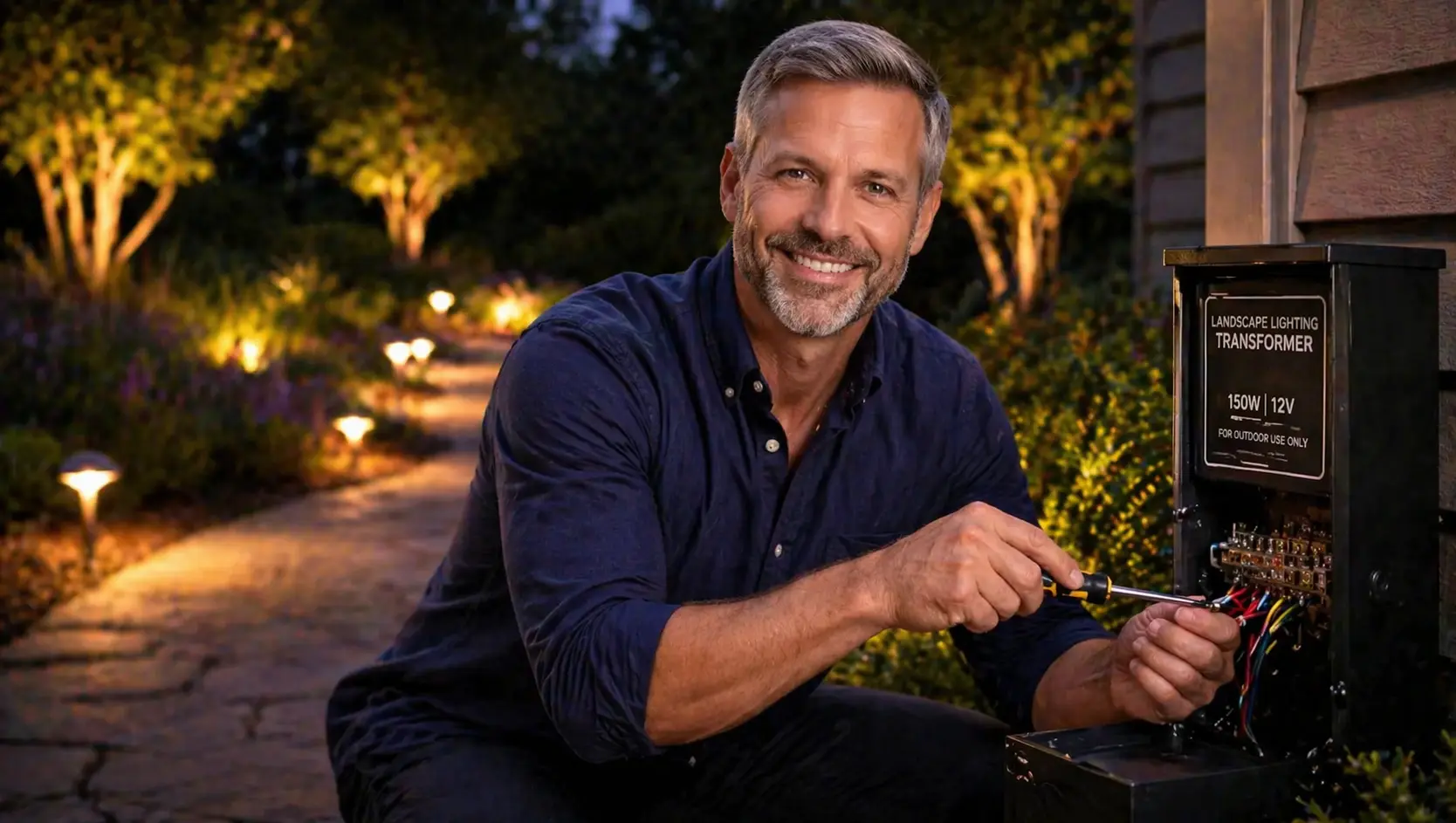
Philip Meyer publishes homeowner-focused lighting content designed to answer common questions clearly and directly. His work centers on helping readers diagnose problems, identify repairable parts, understand how lighting systems work, and make better decisions when replacing or upgrading older Portfolio lighting products.
PortfolioLighting.net was built around recurring real-world questions: Why did multiple lights stop working at once? Can a discontinued fixture still be repaired? Do I need a new transformer or just a bulb? Can I replace only the glass, globe, stake, or connector? What is the closest modern alternative if the original fixture is gone?
That practical, problem-first approach shapes the content throughout the site. Instead of broad generic advice, the focus is on specific outdoor lighting issues homeowners actually face with older systems, damaged fixtures, aging transformers, replacement part searches, and low-voltage landscape lighting layouts.
Philip Meyer specializes in the technical diagnostics, replacement research, and troubleshooting of discontinued Portfolio landscape lighting systems, with a focus on transformers, low-voltage wiring, photocells, replacement parts, and repair-versus-replace decisions for homeowners.
Research Focus and Subject Expertise
Philip Meyer’s research and site content focus on the parts of outdoor lighting that create the most confusion for homeowners. Much of that work involves translating technical system problems into simple next steps people can actually use.
Primary areas of focus
PortfolioLighting.net content published by Philip Meyer is centered on landscape lighting systems, troubleshooting steps, fixture identification, low-voltage wiring basics, transformer problems, timer and photocell issues, replacement parts, discontinued Portfolio fixtures, and compatible alternatives when exact replacement products are hard to find.
Key topics covered across the site
Readers will find content on transformer troubleshooting, model number lookup, replacement glass and covers, bulb replacement, path lights, post lights, low-voltage connectors, system expansion, common failure symptoms, and the repair-versus-replace decision that comes up with older outdoor lighting setups.
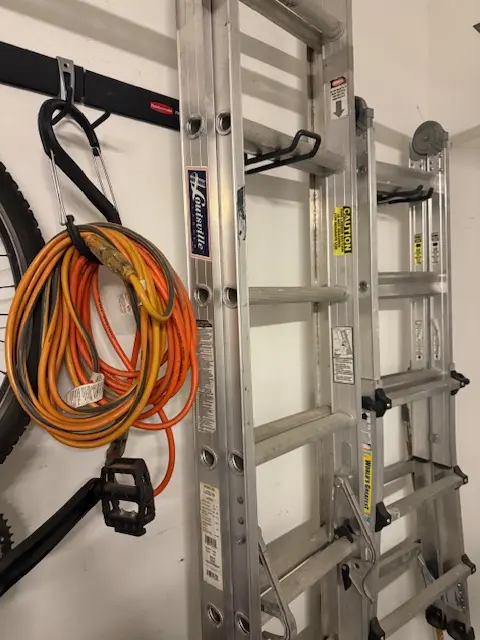
The advice on this site is not casual; it is documented from 25+ years of active field experience using professional-grade tools. I own and maintain specialized high-access equipment, including standard Louisville extension ladders and multi-position Little Giant-style ladders, required for safe, complex roofline installations.
When you read a guide here, you are getting best practices from someone who actually handles the gear required to do the job right.
Hands-On Experience With Older Portfolio Lighting Systems
A large part of my work involves the technical forensics of discontinued Portfolio brand lighting systems. That includes identifying failed transformers, tracking fixture compatibility, troubleshooting voltage loss, and comparing replacement parts for older lights that are no longer sold in stores.
I pay special attention to the kinds of problems homeowners actually run into in the field: multiple lights failing at once, intermittent photocell behavior, damaged connectors, corroded sockets, aging stakes, broken glass, and uncertainty about whether the issue is the fixture or the power source.
Editorial Approach
Philip Meyer writes and organizes content to be useful for both search visitors and homeowners who need a fast, direct answer. Articles are structured to explain the problem clearly, define the key term or component, narrow the likely causes, and guide the reader to the most relevant next step.
Throughout PortfolioLighting.net, content is organized so readers can move logically between troubleshooting, parts, model lookup, installation, and replacement guidance without losing context. This helps a visitor who starts with one symptom move into the exact page they need next.
What this means for readers
Readers can expect plain-language explanations, strong internal linking, homeowner-friendly troubleshooting guidance, and practical replacement direction rather than vague product descriptions or surface-level summaries.
What this means across the site
Articles are designed to help visitors identify whether they need a simple repair, a specific replacement part, a compatible fixture alternative, or a larger system review involving transformers, wiring, or low-voltage layout planning.
Common Challenges I’ve Solved
Topics Philip Meyer Covers on PortfolioLighting.net
| Topic Area | What It Covers | Best Starting Page |
|---|---|---|
| General troubleshooting | Diagnosing common lighting failures, symptoms, and repair paths | Portfolio Lighting Troubleshooting |
| Replacement parts | Bulbs, glass, covers, globes, stakes, connectors, and related components | Parts and Accessories |
| Model identification | Finding or narrowing older and discontinued Portfolio fixtures | Model Number Lookup |
| Transformer issues | Power problems, overloads, resets, timer issues, and system-wide failures | Transformer Troubleshooting |
| Compatible replacements | Alternatives when original Portfolio fixtures or parts are unavailable | Portfolio Lighting Alternatives |
| Landscape lighting education | Low-voltage system basics, layout guidance, and outdoor lighting planning | Portfolio Landscape Lighting |
Why Philip Meyer Built PortfolioLighting.net
Many homeowners discover they need help only after something stops working. A fixture goes dark, a transformer stops powering a run, a globe breaks, a connector fails, or a discontinued model becomes difficult to identify. At that point, good information matters more than generic product copy.
PortfolioLighting.net was built to become a practical reference point for those situations. Instead of treating outdoor lighting as only a shopping topic, the site treats it as a repair, troubleshooting, replacement, and system-understanding topic too.
That makes the site helpful for readers who are trying to keep an older Portfolio setup working, match replacement parts more accurately, understand low-voltage system basics, or decide whether a compatible alternative makes more sense than chasing an exact old fixture.
Best Next Steps for Readers
If you are new to the site, the best first page depends on your problem. If the light is not working, begin with troubleshooting. If you need a part, go to parts and accessories. If the fixture is older or discontinued, use model number lookup and then compare compatible alternatives if needed.
If the issue affects several lights at once, compare transformer troubleshooting, transformer not working, and wiring diagram help before replacing any visible fixture.
Testing and Evaluation Environment

Research for PortfolioLighting.net includes hands-on inspection of fixtures, transformers, wiring components, and replacement parts in a practical testing environment. I use real diagnostic steps to evaluate common failure points such as voltage loss, worn connectors, photocell behavior, and transformer output issues.
Original testing photos and diagrams are used whenever possible to show readers what real system troubleshooting looks like beyond product descriptions or manufacturer summaries.
For example, many Portfolio 120-watt transformers develop issues with photocell sensitivity over time, which can cause lights to appear completely non-functional during daylight testing.
Contact and Editorial Transparency
If you have a technical question about an older Portfolio fixture, transformer, wiring issue, or replacement part, you can reach out through the contact page.
PortfolioLighting.net is independently researched and written to help homeowners troubleshoot, identify, and replace outdoor lighting components more accurately.
Some pages may include affiliate links to compatible parts or replacement products. Those links help support the site at no extra cost to readers, but they do not control the technical recommendations or troubleshooting guidance.
Professional Profiles and Social Verification
To make my work easier to verify across the web, I maintain public profiles connected to PortfolioLighting.net and my lighting research.
Follow Portfolio Lighting
Get landscape lighting troubleshooting tips, maintenance advice, wiring guides, product updates, and outdoor lighting inspiration.
Follow Us on FacebookAbout Philip Meyer FAQ
Who is Philip Meyer?
Philip Meyer is the founder of PortfolioLighting.net and a landscape lighting researcher with 20+ years studying lighting systems and troubleshooting.
What does Philip Meyer focus on at PortfolioLighting.net?
He focuses on troubleshooting, replacement parts, transformers, wiring, photocells, low-voltage systems, discontinued fixtures, and compatible alternatives for homeowners.
What kind of content does Philip Meyer publish?
He publishes practical guides on outdoor lighting problems, fixture identification, replacement decisions, parts research, and system-level troubleshooting for Portfolio lighting and related landscape lighting topics.
Where should new readers start?
Most readers should start with troubleshooting, parts and accessories, or model number lookup depending on whether they are diagnosing a problem, searching for a part, or identifying a fixture.