
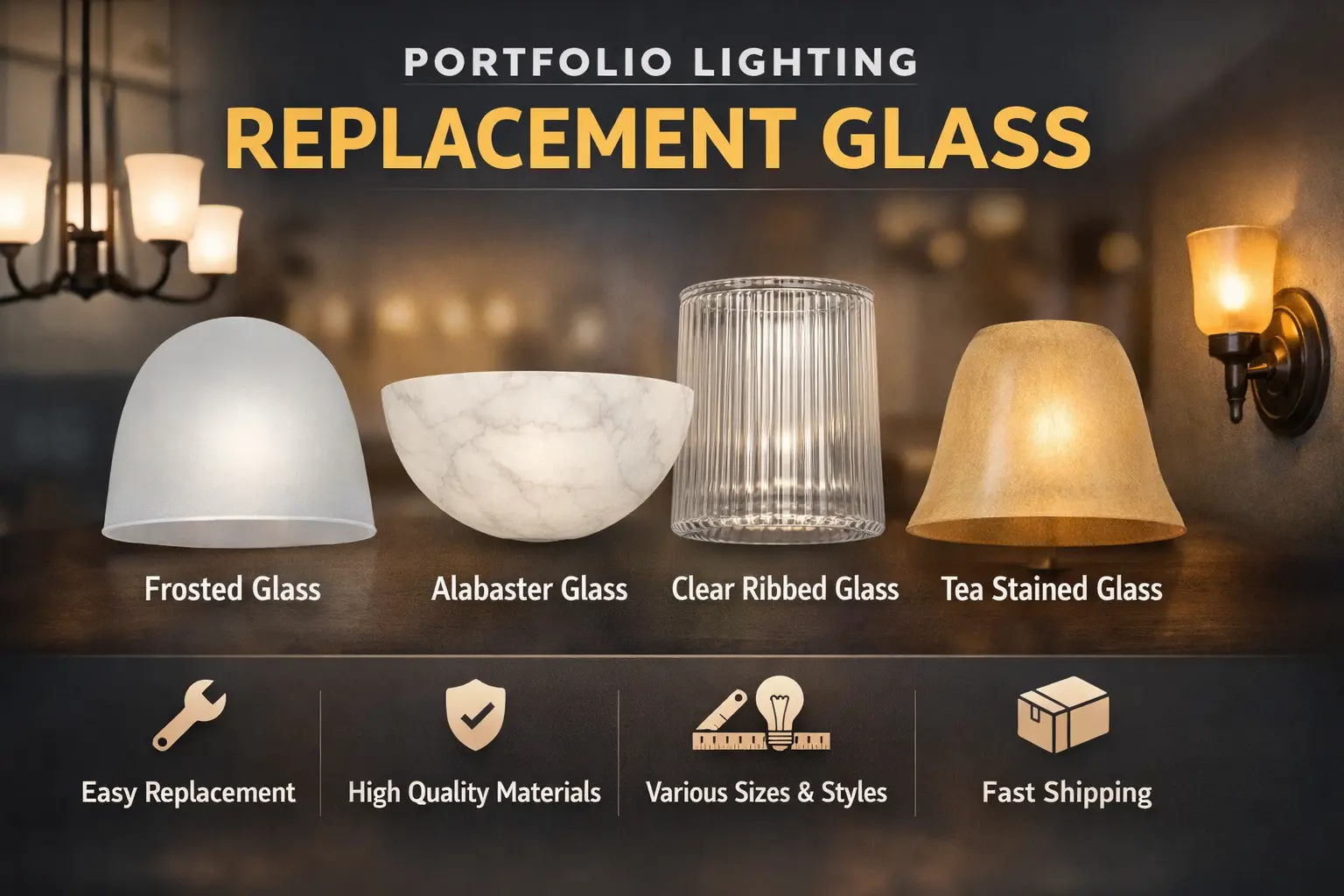
Quick Answer: How to Find the Right Replacement Glass
Match the structural fitter opening size and collar lip mounting configuration first—aesthetic style comes second. Most replacement glass errors happen because homeowners mistake an unthreaded lip for a standard twist-lock flange.
Before ordering, your measurements must align with standard industry fitter classifications. Cross-reference your fixture housing against the five primary mounting standards below:
- 2-1/4 Inch Standard Neck Fitters: Found on the majority of discontinued path lights and small wall lanterns; utilizes a 3-screw collar lock layout.
- 3-1/4 Inch Medium Post Fitters: Common on standard walkway globe fixtures; requires a strict physical lip depth verification to ensure a tight insect seal.
- 4-Inch Heavy-Duty Flanged Mounts: Typically seen on large commercial-grade outdoor downlights; features internal pressure clip retention rings.
- Threaded Twist-Lock Globes: Requires measuring the exact outer edge thread pitch—non-threaded options will fall out and shatter.
- Straight-Sided Cylindrical Fitters: Relies entirely on continuous rubber friction gaskets; glass height determines the total internal heat dissipation rate.
- Flush-Mount Frosted Diffuser Panels: Locked in place by exterior perimeter bezel brackets rather than a traditional center collar.
- Integrated O-Ring Jelly Jar Lenses: Requires strict metric thread depth tracking to prevent rainwater from bypassing the seal and shorting out the socket.
⚠️ CRITICAL WATERPROOFING TRAP: Forcing a 2-1/4" neck into a housing that lacks the correct rubber sealing gasket will cause a direct thermal shock fracture the first time your sprinklers hit the hot glass fixture.
If your exact dimensions sit between these standard industry classifications, use our comprehensive model number lookup or proceed directly to our verified replacement parts library to match your fixture series to an exact dimensional schematic.
Start Here: What Are You Trying to Fix?
- Broken glass → measure and replace
- Missing glass → identify fixture first
- Not sure what fits → use model lookup
- Replacement not fitting → check mounting type
Most Common Mistake When Ordering Replacement Glass
Ordering based on appearance instead of measurements. Even glass that looks identical will not fit if the opening size or mounting type is different.
How to Measure Portfolio Replacement Glass
This is the most important section on the page because ordering the wrong replacement glass usually comes down to poor measurements, not poor parts. Even small differences in opening diameter or mounting style can make the new glass unusable.
| Measurement or Detail | Why It Matters | What to Measure | Helpful Page |
|---|---|---|---|
| Opening diameter | The new glass must seat properly in the fixture | Measure the glass opening where the replacement attaches | Portfolio lighting model number lookup |
| Glass height | The glass needs to clear the fixture body and align visually | Measure from the top lip to the bottom edge | Portfolio lighting manuals |
| Mounting method | Different fixtures use rings, screws, clips, or slip-fit designs | Note exactly how the original glass was held in place | Portfolio lighting parts and accessories |
| Fixture model number | The fastest way to narrow compatible parts | Check the label inside the housing, canopy, or mounting area | Portfolio lighting model number lookup |
If you are unsure which replacement glass fits your fixture, finding the model number can help identify compatible parts much faster than comparing pictures alone. That is why the Portfolio lighting model number lookup page is one of the best companion pages for this repair.
Portfolio lighting replacement glass is usually a repair-intent search. The fixture still exists, but the glass broke, cracked, went missing, or no longer looks clear enough to keep. That means the homeowner usually wants a practical answer fast: can the glass be replaced, and how do I choose the right one?
In most cases, replacement glass for Portfolio lights is a much lower-cost fix than replacing the whole fixture. The key is choosing the correct style, opening size, and mounting method so the new glass actually fits the fixture you already have.
Some Portfolio fixtures use glass panels while others use molded protective lenses or diffusers. If the outer lens on your light has cracked or become cloudy from weather exposure, it may be possible to replace only the lens instead of the entire fixture. See our Portfolio Lighting Replacement Lenses page to learn how to identify lens styles and locate compatible replacement covers for many outdoor and indoor Portfolio lights.
Why Portfolio Light Glass Needs Replacement
Replacement glass for Portfolio lights is a common need because the glass is often the most exposed and fragile part of the fixture. The fixture body may still work perfectly, but the glass cover or shade becomes the part that fails first.
Impact damage
Broken glass is the most obvious reason for a replacement. Outdoor fixtures can crack from hail, wind-blown debris, ladders, lawn tools, or accidental contact during maintenance and yard work.
Weather exposure
Outdoor glass and diffuser covers deal with moisture, heat, UV exposure, and temperature changes over time. Even if the glass does not shatter, it may stain, cloud over, or become visually dull enough that the whole light looks older than it really is.
Loose mounting hardware
Sometimes the glass is not the original problem. The retaining ring, screws, or clips loosen over time, which can cause a shade or cover to shift, rattle, or fall. If the fixture has also seen weather-related issues, compare that symptom with Portfolio lights not working after rain.
Missing glass from past repairs
Some homeowners inherit a Portfolio light fixture with the glass already missing. In that case, replacement Portfolio glass helps restore the fixture and may keep you from replacing a light body that still has years of life left.
Most Common Replacement Glass Mistakes
- Ordering based on appearance instead of measurements
- Ignoring mounting style differences
- Not checking the model number first
- Choosing glass that is slightly too large or too small
- Assuming all replacement glass is universal
Types of Portfolio Replacement Glass
Portfolio light fixture replacement glass can come in several forms depending on the fixture style. Some lights use open glass shades, some use enclosed globes, and others use flat or curved lens-style covers.
Clear Glass
Clear glass is common in decorative outdoor and indoor fixtures where the bulb or internal styling is meant to stay visible. This type of replacement glass is usually chosen to preserve the original look of the fixture.
Frosted or White Glass
Frosted glass helps soften glare and spread light more evenly. It is often used in vanity lights, wall lights, and certain covered outdoor fixtures.
Seeded or Textured Glass
Some Portfolio fixtures use decorative textured glass. This type can be harder to match visually, which is why model identification matters more.
Acrylic or Lens Covers
Some replacement parts are technically lens covers rather than glass. These may be lighter and less fragile, but they still need correct measurements and mounting compatibility.
If your part looks more like a shade or a globe than a flat glass cover, you may also want to compare Portfolio lighting replacement shades and Portfolio lighting replacement globes and covers so you order the correct style of replacement part.
Replacement Glass Must Match the Fixture and the Light Pattern
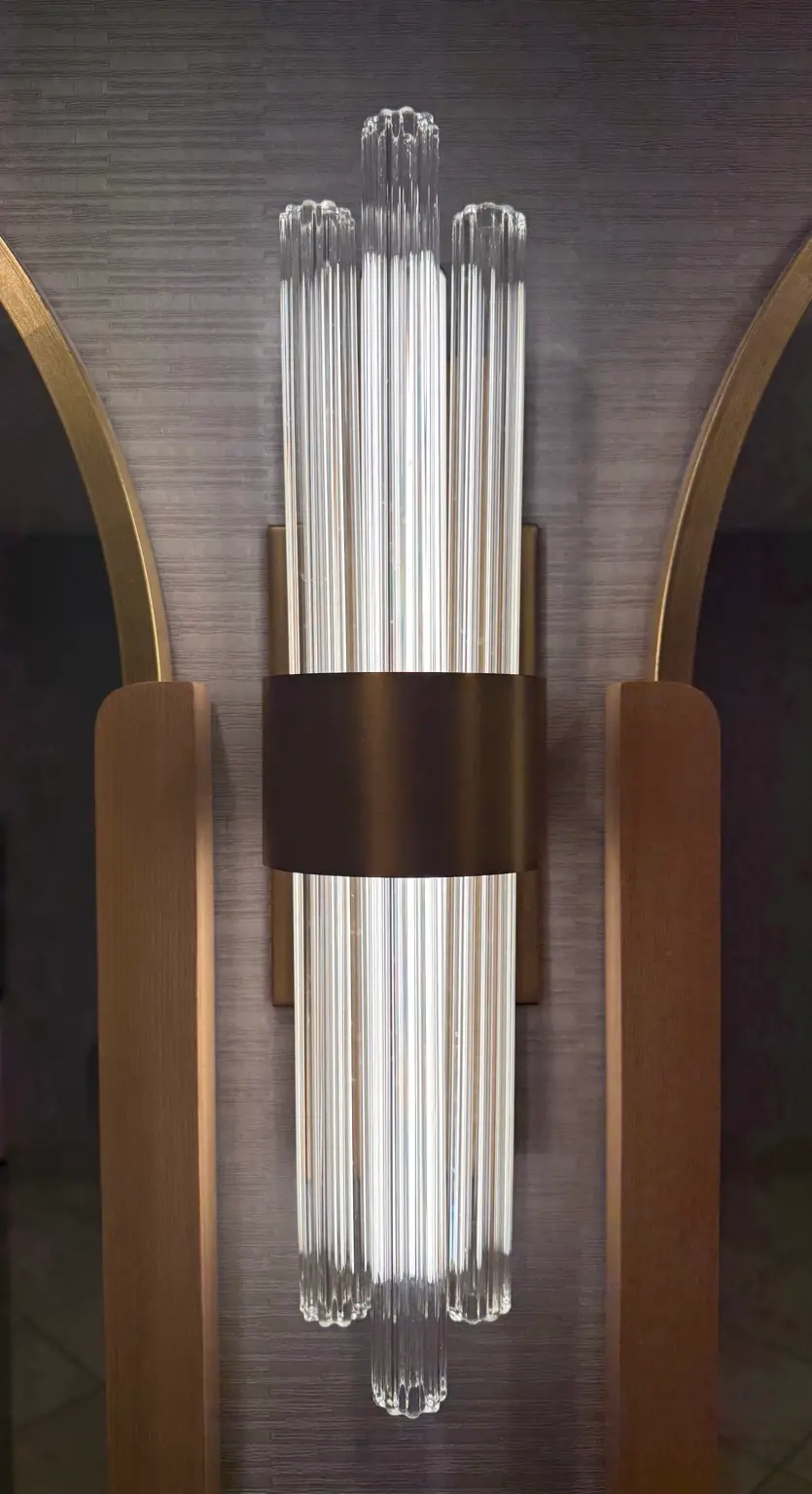
When replacing glass on a Portfolio fixture, shape matters just as much as size. Ribbed, frosted, clear, seeded, and patterned glass all change the way light spreads through the room.
Measure the glass height, width, fitter size, attachment points, and clearance around the bulb. A piece that almost fits can still rattle, expose glare, block ventilation, or change the intended light pattern.
Replacement glass measurements are only reliable after the fixture is opened without bending the retaining collar or damaging the lens seat. On older Portfolio fixtures, corrosion can weld the threaded collar to the housing and make the glass area impossible to access safely. Before prying, twisting, or clamping the fixture, follow the stuck Portfolio fixture opening guide so the collar, gasket, and glass seat stay intact enough to measure correctly.
How to Replace Portfolio Lighting Glass
Replacing Portfolio outdoor light replacement glass or indoor fixture glass is usually straightforward if the fixture hardware is still intact. The goal is to support the glass carefully, protect the mounting area, and avoid overtightening the replacement.
Step 1: Turn off the fixture
Always shut off power before removing broken or loose glass. Even a simple glass repair should be treated like real fixture maintenance.
Step 2: Remove the damaged glass carefully
Loosen the retaining ring, screws, or clips while supporting the old glass from below. If the glass is cracked, wear gloves and keep it from dropping as the last fastener comes loose.
Step 3: Clean the fixture body
Remove debris, moisture, or old dirt before setting in the new glass. A dirty mounting area can keep replacement glass from fitting evenly.
Step 4: Position the new replacement glass
Set the new glass into place carefully and make sure it sits level in the fixture opening. If it does not sit naturally, stop and recheck the size instead of forcing it.
Step 5: Secure the glass
Tighten the ring or clips enough to hold the glass firmly, but not so much that the new glass is stressed. Overtightening is a common reason new glass breaks after installation.
Step 6: Restore power and test the fixture
Turn the light back on and check both function and appearance. If the fixture still looks weak, compare it with Portfolio lighting bulb replacement and Portfolio lighting troubleshooting, because the glass may not be the only issue.
Troubleshooting Replacement Glass Fit Problems
Most replacement glass problems happen because the new piece is close to correct, but not truly compatible. That is why measuring and model matching matter so much.
The new glass does not fit
This usually means the opening diameter is off or the lip style does not match the fixture. Even glass that looks nearly identical can fail if the top edge is shaped differently.
The glass rattles after installation
A rattling cover often means the retaining ring is loose, the glass is slightly undersized, or the mounting hardware is worn. In those cases, the issue is usually in the fit or the hardware, not the glass quality.
The light still looks dim
If the replacement glass fits but the light output still seems poor, the problem may be the bulb, LED module, socket condition, or overall fixture age. Compare that with Portfolio lighting too dim.
The fixture looks too worn to justify the repair
Sometimes the new glass solves one problem but reveals that the body, finish, or socket area is already too far gone. That is when it may be time to compare a broader replacement path instead of continuing to repair the existing fixture.
When to Replace the Entire Fixture Instead
Portfolio replacement glass is often the right fix, but not every broken glass situation should lead to another part order. If the rest of the fixture is already in poor condition, replacing the whole light may be more practical.
- the fixture body is badly corroded or cracked
- the mounting hardware is damaged or missing
- the socket or internal wiring is also failing
- replacement glass is unavailable or too expensive compared with a full replacement
- the finish and body look too worn to justify continued repair
If the repair is starting to turn into a full rebuild, compare the larger replacement path with Portfolio lighting alternatives, buy Portfolio lighting, and replacement for Portfolio landscape lighting.
How This Page Fits With the Rest of Your Portfolio Repair Cluster
If you are maintaining a Portfolio lighting system, replacement glass is only one part of keeping the fixtures working properly. Portfolio fixtures may also need bulb replacement, hardware replacement, troubleshooting, and model identification to keep repairs accurate and cost-effective.
These pages work especially well alongside this guide: Portfolio landscape lighting, Portfolio landscape lights not working, Portfolio path light replacement, Portfolio lighting troubleshooting, Portfolio lighting parts and accessories, and Portfolio lighting model number lookup. Together, they strengthen the full Portfolio brand repair path and help homeowners decide whether they need replacement glass, a fixture part, or a larger system fix.
Replacement glass should never be ordered from diameter alone. Older Portfolio fixtures may share a similar look while using different lens seats, retaining rings, globe heights, gasket styles, or finish-specific housings. If the glass style is not obvious from the fixture, compare the model number in the Portfolio Lighting Lost Models Archive before ordering a shade, globe, lens, or cover.
Portfolio Lighting Replacement Glass FAQ
Can you replace the glass on a Portfolio light fixture?
Often yes. Many Portfolio fixtures use removable glass, shades, globes, or lens covers that can be replaced without changing the whole fixture, as long as the size and mounting style match.
How do I find the correct Portfolio replacement glass?
Measure the opening diameter, glass height, and mounting style, then compare that information with the fixture model number if it is still available.
Are Portfolio lighting glass shades universal?
Some replacement glass shades are close to universal, but many are still fixture-specific. Even similar-looking glass may not fit if the opening size or retaining method is different.
Why is my Portfolio light still dim after replacing the glass?
If the fixture still looks dim after replacing the glass, the issue may be the bulb, LED module, socket, wiring, or overall age of the fixture rather than the glass itself.
Final Thoughts on Portfolio Lighting Replacement Glass
Portfolio lighting replacement glass is one of the best repair categories on the site because it matches a very clear homeowner need: restore a broken or incomplete fixture without replacing the whole light unnecessarily.
The best results come from identifying the correct type of glass, measuring carefully, checking the hardware, and deciding honestly whether the fixture body is still worth saving. When those steps are done in the right order, replacement glass can be one of the fastest and most affordable Portfolio lighting repairs.
More Portfolio Replacement Parts and Repair Guides
Portfolio Lighting Replacement Shades
Helpful if your part is more of a traditional shade than a globe or lens-style cover.
Read the guidePortfolio Lighting Replacement Globes and Covers
Use this page when the part is a globe, cover, or enclosed diffuser rather than open fixture glass.
Read the guidePortfolio Lighting Parts and Accessories
Find related parts, bulbs, hardware, and support items for Portfolio fixture repairs.
Read the guidePortfolio Lighting Model Number Lookup
Best for identifying the fixture family before ordering replacement glass or any other part.
Read the guidePortfolio Path Light Replacement
Useful if the real issue is not just broken glass, but a full damaged outdoor path light fixture.
Read the guidePortfolio Lighting Troubleshooting
Best if the fixture has dim output, bulb issues, socket problems, or broader system symptoms.
Read the guidePortfolio Lighting Replacement Glass, Fixture Compatibility, and Repair Help
This page is designed to help homeowners replace broken, cracked, cloudy, or missing Portfolio fixture glass without replacing the entire light unless it is truly necessary. It focuses on the measurements, compatibility checks, and installation steps that make this kind of repair successful.
If you are not sure which Portfolio fixture you own, the fastest next step is often the Portfolio lighting model number lookup page. Matching the fixture family first makes it much easier to choose the correct glass, shade, globe, or cover and avoid ordering a part that only looks similar.