
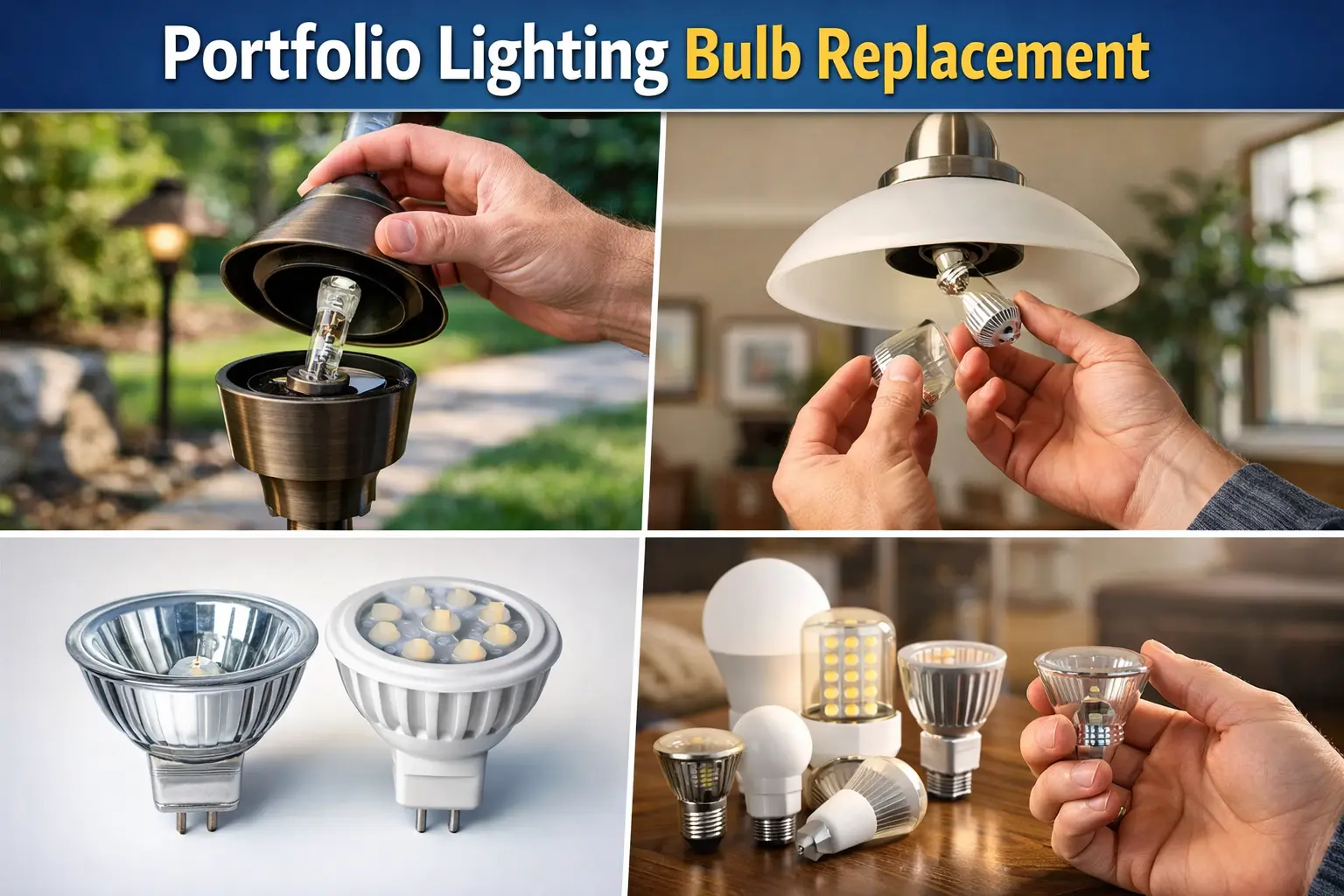
Quick Answer: My 7-Point Socket Integrity & Electrical Load Diagnostics Matrix
Fixing a dead Portfolio fixture is all about chasing the electrical current from the terminal block straight to the socket pins, not just buying replacement parts. If your circuit has suffered a voltage drop or moisture has rotted the copper contact tabs inside the housing, throwing a brand-new bulb into the socket won't do a single thing to bring the light back online.
Whenever I pull up to a property where a fixture has completely lost power, I systematically isolate the breakdown using these seven practical field rules:
- 1. Verifying Base and Socket Style: I pull the dark bulb out immediately to double-check its pin pattern. Forcing a mismatched wedge base or bi-pin setup into a socket bends the internal receiver clips out of shape, cutting off power contact completely.
- 2. Auditing Incoming Voltage: I never trust that a line is fine just by looking at it; I use a multimeter directly inside the empty socket to confirm the fixture is receiving its full required power feed.
- 3. Scraping Green Metal Corrosion: Outdoor fixtures gather dampness that leaves a thick layer of green crust on the internal contact pins; I use a tiny wire brush to scrub the metal contacts clean down to the shiny copper.
- 4. Inspecting the Under-Fixture Splice: If the socket reads completely dead on my meter, I dig down a few inches below the mounting stake to inspect the main line splice—this is where cheap factory pierce connectors typically fail.
- 5. Checking the Transformer Terminal Bar: When an entire section of yard lights drops offline at the exact same time, I walk away from the grass and check for a tripped circuit breaker or a blown fuse inside the primary transformer box.
- 6. Matching LED Drivers and AC Transformers: Dropping modern, low-voltage LED replacements onto a legacy electronic transformer can cause violent flickering or total shutdown because the total wattage draw falls way below the transformer's required minimum load limits.
- 7. Straightening Flattened Center Pins: In older screw-base sockets, the little brass tab at the bottom gets flattened out over time; I use a small insulated pocket tool to gently bend the tab back up so it makes solid contact with the bulb.
⚠️ CRITICAL REPAIR RISK: Jamming unmatched bulbs into a damaged socket or ignoring an unbalanced transformer load will generate extreme heat friction, completely ruining your fixture's wiring harness and risking short-circuit loops. Neglecting these load baselines triggers three distinct system faults that I break down inside our wiring repair blueprints below.
In my 25 years tracking down stubborn residential electrical bugs, I've seen countless homeowners waste a small fortune on replacement boxes when a simple five-minute socket cleanup or splice rebuild would have solved the problem instantly. Taking the time to methodically trace the line saves you hours of frustrating guesswork.
Don't start cutting your main trunk lines apart or throwing away good hardware blindly. Use my step-by-step socket rebuild diagrams, multimeter testing layouts, and multi-tap transformer wiring charts detailed further down this page to get your light back on safely.
Step-by-Step Portfolio Bulb Replacement Guide
| Step | What to Do | Why It Matters |
|---|---|---|
| 1 | Identify fixture type | Not all fixtures use replaceable bulbs |
| 2 | Check old bulb details | Base, voltage, and shape must match |
| 3 | Install correct replacement bulb | Wrong bulb = no light or poor performance |
| 4 | Test fixture | Confirms bulb vs system issue |
| 5 | If still not working → troubleshoot | Likely wiring, socket, or transformer problem |
Is It the Bulb or Something Else?
| Situation | Likely Issue | Next Step |
|---|---|---|
| One light out | Bulb failure | Replace bulb |
| Multiple lights out | Transformer or wiring | Check system |
| New bulb doesn’t work | Wrong bulb or bad socket | Verify compatibility |
| Flickering light | Loose connection or voltage issue | Inspect wiring |
| Integrated LED fixture | No replaceable bulb | Replace fixture |
Start Here: What’s Your Situation?
- Single light out → replace bulb first
- Multiple lights out → check transformer or wiring
- Bulb replaced but still dead → check socket or connector
- Fixture very old → consider full replacement
Start with the simplest fix, then move toward system-level troubleshooting.
If half the strand is dark and you suspect a failed bulb, start with our troubleshooting guide for Christmas lights half out before replacing multiple bulbs at random.
Before replacing multiple bulbs in a dead holiday strand, check the plug fuse first with our Christmas light fuse replacement guide.
The easiest way to avoid a wrong bulb purchase is to stop thinking only in terms of brightness and start with fit and compatibility. Base type, voltage, wattage, bulb shape, and fixture type matter more than people expect.
This page connects naturally with Portfolio lighting parts and accessories, Portfolio MR16 LED replacement bulbs, Portfolio lighting model number lookup, Portfolio lighting manuals, and where to buy Portfolio lighting replacement parts. If your new bulb does not solve the problem, go to Portfolio lighting troubleshooting.
Start With the Portfolio Fixture Type First
The biggest mistake people make with bulb replacement is assuming every dead light starts with the bulb. In many cases, that is true. But not always. Some Portfolio fixtures use standard replaceable lamps. Others use low voltage bulbs common in landscape lighting. Others use integrated LED components where there is no simple bulb change at all. If you skip this step, you can waste time buying bulbs that were never going to solve the problem.
This matters especially on older Portfolio products because the brand covered a wide range of fixture types. Path lights, spotlights, deck lights, vanity fixtures, sconces, recessed lights, track heads, and other indoor or outdoor products can all use very different lamp formats. Even two fixtures that look somewhat similar may not take the same bulb.
That is why the right first question is not “what is the brightest replacement?” It is “what kind of fixture is this, and was it designed for a replaceable bulb in the first place?”
If your fixture still works but the light output has dropped, replacing the bulb is often the simplest fix. Many homeowners switch to longer-lasting LED options and compare beam spread, brightness, and socket compatibility before buying. You can browse Portfolio lighting bulb replacement options to compare bulbs and related parts for many existing fixtures.
Bulb Replacement Is More Than Matching the Base
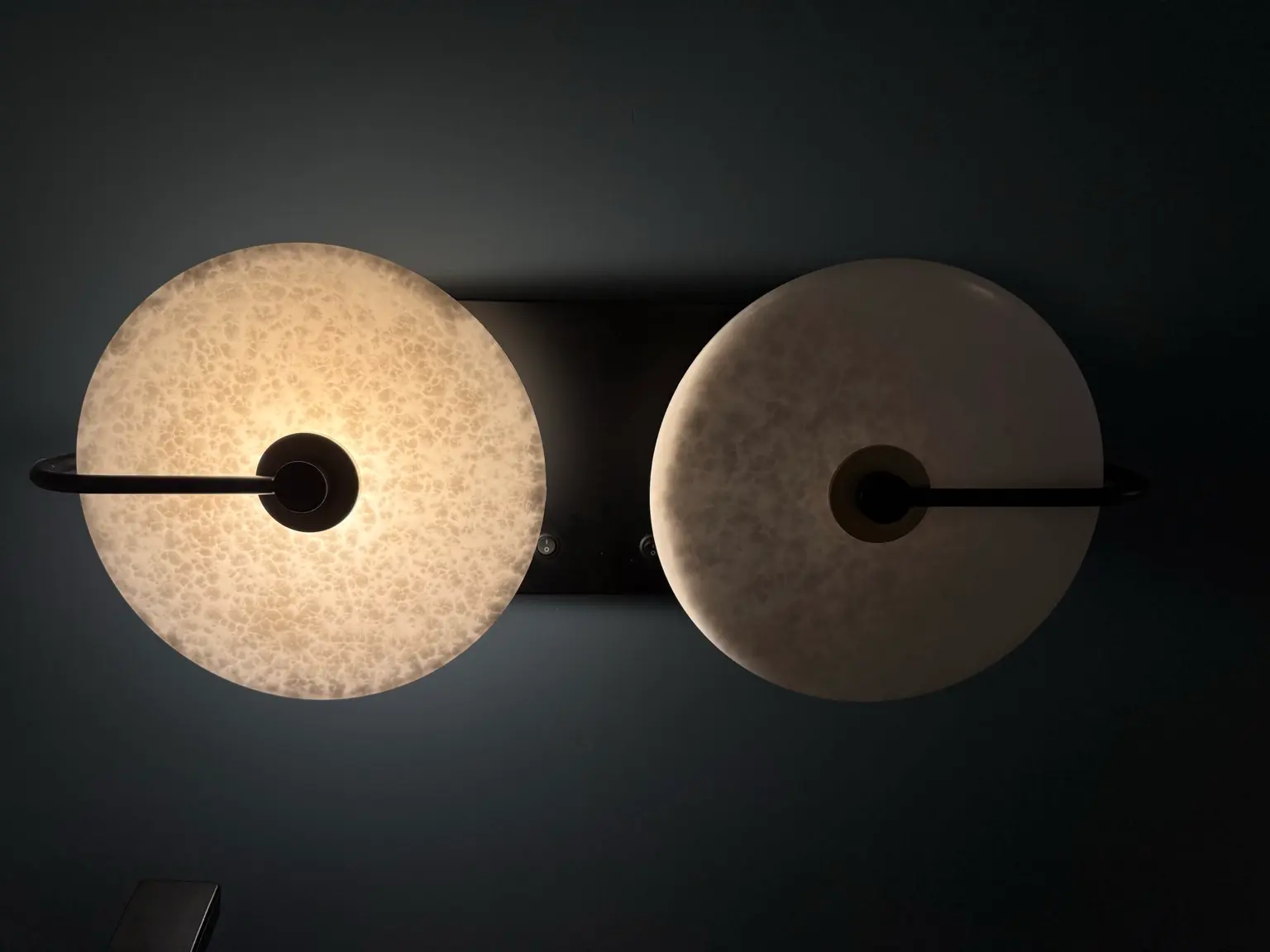
When replacing bulbs in older Portfolio fixtures, do not choose only by brightness. The bulb also needs to fit inside the shade, stay within the fixture’s wattage rating, avoid excess heat, and produce the right color temperature for the room.
If the fixture uses a globe or enclosed shade, choose an LED bulb rated for enclosed fixtures when required. A poor bulb choice can cause flicker, overheating, short life, or harsh glare.
A burned-out bulb is usually an easy fix until the fixture cap refuses to move. Many Portfolio landscape lights use thin cast-metal housings that can seize after years in damp mulch beds. Heavy pliers can ruin the finish or snap the stem before the bulb is reached. If the collar is stuck, use the Portfolio corroded fixture opening method first, then return to the bulb replacement steps once the housing is free.
What to Check Before Buying a Portfolio Replacement Bulb
Once you know the fixture uses a replaceable bulb, the next step is confirming the details that actually matter. The old bulb, fixture label, manual, or model information can all help here. Even when the old bulb is burned out, it often still tells you the base type, voltage, wattage, or bulb shape you need to match.
If you are unsure which bulb family your older fixture uses, compare the model number in the Portfolio technical archive.
Key details to check first
- bulb base type
- voltage requirement
- wattage range or limit
- bulb shape or format
- fixture clearance and physical fit
- whether the fixture is rated for a standard bulb or a specialty lamp
If you still have the original documentation, use it. If not, the next best pages are Portfolio lighting model number lookup and Portfolio lighting manuals. Those pages can help narrow down the right replacement path faster than guessing from memory.
Choosing the right replacement bulb is not just about fit and voltage. Color temperature matters too. Use the Landscape Lighting Color Temperature Guide to compare 2700K, 3000K, and cooler options before buying.
Most Common Bulb Replacement Mistakes
- Choosing a bulb that “looks similar” instead of matching specs
- Ignoring voltage differences
- Forcing an LED into an incompatible fixture
- Replacing bulbs when the issue is wiring or power
Most bulb replacement problems come from skipping compatibility checks or assuming the bulb is always the issue.
Low Voltage and Landscape Bulb Replacement
Low voltage landscape lighting is one of the most common areas where Portfolio bulb replacement comes up. Outdoor path lights, spotlights, and some accent fixtures often rely on small low voltage bulbs that are easy to overlook until one goes dark. In those systems, the bulb matters, but so does the rest of the low voltage setup. A transformer issue, connector problem, timer problem, or voltage-drop issue can sometimes look exactly like a bad bulb at first.
This is why it helps to separate “single fixture out” from “multiple fixtures out.” If one spotlight or path light is dark, a bulb replacement may be the right first move. If half the yard is dark, the problem may be much broader than the bulb.
If you are deciding whether to stay with older halogen bulbs or move to a more efficient upgrade, see our LED vs halogen landscape lighting guide for a side-by-side comparison of warmth, brightness, lifespan, and long-term maintenance.
Low voltage bulb replacement usually makes sense when:
- one fixture is out while the rest of the system still works
- the socket and fixture body look intact
- the transformer and timer are behaving normally
- the correct replacement bulb type is easy to verify
For low voltage outdoor bulb decisions, the strongest supporting pages are Portfolio MR16 LED replacement bulbs, Portfolio path lights, Portfolio landscape spotlights, Portfolio low voltage lighting, and low voltage landscape lighting.
Indoor Portfolio Fixture Bulb Replacement
Indoor Portfolio fixtures bring a different kind of bulb-replacement question. In bathrooms, sconces, pendants, ceiling fixtures, and some track or recessed products, the issue is often less about the low voltage system and more about choosing the right bulb for the fixture’s intended look and light pattern. A bulb can fit technically and still be the wrong choice for the room if the light is too harsh, too dim, too directional, or simply not suited to the fixture style.
This matters because many homeowners are not just replacing a burned-out lamp. They are also trying to improve the room. A bathroom fixture may need more flattering light. A sconce may need a bulb that works better with the shade. A pendant or flush mount may need a bulb that fills the room more evenly.
| Indoor Fixture Type | What to Check First | Best Related Page |
|---|---|---|
| Bathroom fixture | Mirror use, brightness needs, bulb fit, shade clearance | Portfolio Bathroom Lighting |
| Wall sconce | Bulb shape, visible glare, shade fit, room style | Portfolio Sconces Lighting |
| Flush mount | Coverage, brightness, enclosed-fixture fit | Portfolio Flush Mount Lighting |
| Track or directional head | Beam direction, lamp type, spotlight compatibility | Portfolio Track Lighting |
| Cylinder or directional fixture | Beam control, bulb compatibility, fixture visibility | Portfolio Cylinder Lighting |
If your goal is not just replacement but improvement, these indoor category pages can help you make better bulb choices in context rather than in isolation.
Choosing the right bulb is only part of the solution. The way light is distributed also matters. Learn how glare and spill are measured in the BUG rating guide before replacing bulbs.
When an LED Upgrade Makes Sense
Many older Portfolio fixtures can be improved with an LED bulb replacement, but that only works well when the fixture, voltage, and base requirements all line up correctly. LED upgrades are attractive because they can improve efficiency, reduce repeat bulb changes, and sometimes offer cleaner performance in both indoor and low voltage outdoor settings.
But an LED upgrade should still be treated like a compatibility decision, not just an automatic upgrade. Some older fixtures respond well to the change. Others become awkward if the bulb shape, beam pattern, or overall fit is wrong for the housing or shade.
An LED replacement often makes sense when:
- the fixture uses a standard replaceable bulb
- the correct voltage and base type are easy to confirm
- you want longer life and fewer repeat bulb swaps
- the existing fixture still suits the space and does not need full replacement
For LED-specific related content, use Portfolio MR16 LED replacement bulbs, Portfolio LED lighting, and Portfolio low voltage lighting.
When the Problem Is Not the Bulb
This is one of the most valuable parts of a bulb-replacement page because a lot of people arrive here after already trying a new bulb with no success. When that happens, the bulb was never the real issue. The problem may be the socket, connector, transformer, timer, wiring, or an integrated LED component inside the fixture.
That pattern is especially common in low voltage outdoor systems. A path light or spotlight goes dark, the bulb gets replaced, and nothing changes. In those cases, the next step is not usually another bulb. It is better troubleshooting.
Signs the bulb may not be the real problem
- the new bulb does not light at all
- multiple fixtures are out at once
- the transformer is acting strangely or not powering the run
- the socket looks worn, corroded, or damaged
- the fixture may actually use an integrated LED component instead of a simple bulb
If that sounds familiar, go next to Portfolio lighting troubleshooting, Portfolio landscape lights not working, Portfolio lighting transformer not working, Portfolio lighting transformer reset, and Portfolio lighting parts and accessories.
Should You Replace the Bulb or Replace the Whole Fixture?
That decision depends on the condition of the fixture, not just the condition of the bulb. If the fixture body is still solid, the socket is sound, and the light still suits the space, a bulb replacement usually makes sense. But if the fixture is heavily weathered, outdated, hard to match, or clearly underperforming, a full replacement can often be the smarter long-term move.
This is especially true outdoors. A path light that has gone through years of moisture, ground movement, and connector wear may not be worth repeated bulb changes if the body and stake are already failing too. Indoors, an older vanity fixture or sconce may still work, but if the room is being updated anyway, a full fixture refresh may deliver a cleaner result than continuing to patch around a tired design.
For full replacement thinking, also use replacement for Portfolio landscape lighting, Portfolio path light replacement, and where to buy Portfolio lighting replacement parts.
Portfolio Lighting Bulb Replacement FAQ
How do you know which bulb to use in a Portfolio light fixture?
Start by checking the existing bulb, fixture label, manual, or model information. The most important details are bulb base type, voltage, wattage, shape, and whether the fixture uses a replaceable bulb or an integrated LED component.
Can you upgrade older Portfolio bulbs to LED?
In many cases, yes. Older Portfolio fixtures can often be upgraded to LED if the replacement bulb matches the correct base, voltage, and fit requirements. But not every fixture is suited for a simple bulb swap.
Why does a new bulb sometimes not fix the light?
If a new bulb does not fix the problem, the issue may be the socket, transformer, wiring, timer, connector, or an integrated LED driver rather than the bulb itself.
Should you replace the bulb or replace the whole fixture?
If the fixture body is still in good shape and the bulb is the only failed part, a bulb replacement often makes sense. If the fixture is heavily weathered, outdated, or uses hard-to-match internal components, replacing the full fixture may be the better long-term move.
Portfolio lighting bulb replacement, low voltage bulb replacement, MR16 LED upgrades, indoor and outdoor fixture bulbs, replacement lamp guidance, and Portfolio troubleshooting help.