
Quick Answer: Is Landscape Lighting Wire Safe for Dogs, Pets, and Wildlife?
Low-voltage landscape lighting wire is generally safe around dogs and pets when it is installed correctly, buried, protected at risers, and powered by a listed transformer. The safer choice is a 12V or 15V low-voltage system, not exposed 120V line-voltage wiring.
That said, “low voltage” does not mean “chew-proof.” A dog that bites through landscape wire can damage the cable, expose copper, short the transformer, receive a startling sensation, irritate the mouth, or swallow pieces of insulation. Wildlife can also be affected by loose wire, excessive uplighting, hot fixtures, and blue-white nighttime light.
Pet and Wildlife Lighting Safety Logic Summary
| Situation | Main Risk | Best Fix |
|---|---|---|
| Dog chews low-voltage wire | Damaged insulation, exposed copper, short circuit, mouth irritation | Bury cable deeper and protect risers with conduit |
| Wire is exposed above mulch | Chewing, snagging, tripping, mower damage | Re-route, bury, or cover with PVC/split-loom tubing |
| Old halogen fixtures near animals | Heat around insects, frogs, pets, and small wildlife | Switch to cool-running LED fixtures |
| Bright uplighting into trees | Bird, insect, and nocturnal wildlife disruption | Use shielded 2700K downlighting on timers |
Pet and Wildlife Safety at a Glance
| Hazard | Risk Level | Why It Matters | Best Fix |
|---|---|---|---|
| 12V low-voltage wire | Low when installed correctly | Shock risk is much lower, but chewing can still damage insulation and copper. | Bury wire and protect exposed risers. |
| 120V line-voltage wiring | High | Line voltage can injure or kill pets and people if damaged or exposed. | Use licensed electrical methods, conduit, GFCI protection, and code-compliant boxes. |
| Chewing by dogs or rabbits | Medium to high | Damaged wire can short, expose copper, arc, or create choking hazards. | Use PVC conduit, galvanized flex conduit, or split-loom tubing where exposed. |
| Hot halogen fixtures | Medium | Small animals may seek warmth and contact hot lenses or housings. | Switch to cooler LED fixtures. |
| Bright uplighting | Medium | Can disrupt birds, insects, and nocturnal animals. | Use shielded warm downlighting and timers. |
Underground low-voltage cable safety depends heavily on proper electrical loading and installation practices. Our landscape lighting load calculation and code compliance guide explains how overloaded transformers, undersized wire, excessive voltage drop, and improper connector sizing can create heat buildup and long-term cable degradation that may increase failure risks around pets, wildlife, and outdoor environments.
Pet safety questions are different from normal landscape lighting questions. A homeowner is not just asking whether the lights work. They are asking whether a dog can chew the wire, whether a rabbit can bite through the insulation, whether a squirrel can cause a short, whether old halogen fixtures can burn small animals, and whether nighttime lighting disrupts birds or insects.
This guide gives you the practical safety answer: keep the system low voltage, keep wire protected, keep fixtures cool, and keep light aimed where it belongs.
12V vs. 120V: The Safety Threshold Pet Owners Need to Understand
Most residential landscape lighting systems use a transformer to step household power down from 120V to 12V or 15V. That low-voltage side is much safer around pets than line-voltage wiring because it has far less electrical pressure behind it.
Animal fur, dry skin, and normal outdoor conditions create resistance. A properly operating 12V lighting cable is generally not strong enough to push dangerous current through a dog or cat the way 120V line voltage can. This is why low-voltage landscape lighting is the preferred outdoor lighting method around homes, patios, walkways, pets, and play areas.
If your outdoor lighting power source uses a receptacle, read outdoor lighting GFCI requirements NEC 2026. For grounding and bonding concerns, see the landscape lighting grounding and bonding guide.
The Chewing Problem: Dogs, Rabbits, Squirrels, and Outdoor Lighting Wire
Dogs may chew landscape lighting wire because it smells unusual, moves slightly in mulch, or looks like a toy. Rabbits and squirrels may gnaw wire because they naturally chew to manage their teeth. Even if the electrical shock risk is low on a 12V system, the wire damage still matters.
What can happen if an animal chews low-voltage wire?
- The transformer may trip or shut down.
- The wire may short and create a small arc at the damaged point.
- The pet may be startled and run into traffic, stairs, glass, or fencing.
- The pet may swallow plastic insulation pieces.
- The system may fail later after rain enters the damaged cable jacket.
- Exposed copper can corrode and cause future voltage drop.
The copper toxicity myth
In most landscape lighting chewing incidents, the primary danger is not that the copper wire is a poison source. The bigger concerns are choking, mouth injury, insulation fragments, exposed conductors, electrical arcing, water intrusion, and the pet being frightened by the sensation.
If your lights stopped working after wire damage, use Portfolio lighting troubleshooting or landscape lights not working after rain.
Chew-Proof Solutions: What Actually Protects Landscape Lighting Wire?
There is no truly chew-proof wire once a determined dog, rabbit, or squirrel can reach it. The goal is to make the wire harder to access, harder to bite, and less interesting.
Split-Loom Tubing
Good for organizing and shielding exposed low-voltage wire, especially in low-risk areas. It is not the strongest solution for aggressive chewers.
Schedule 40 PVC Conduit
A strong option for pet areas, risers, fence lines, and places where cable exits the ground. This is the practical gold standard for many home installations.
Galvanized Flexible Conduit
Useful where wire needs flexible metal protection. It can help where animals repeatedly attack exposed cable.
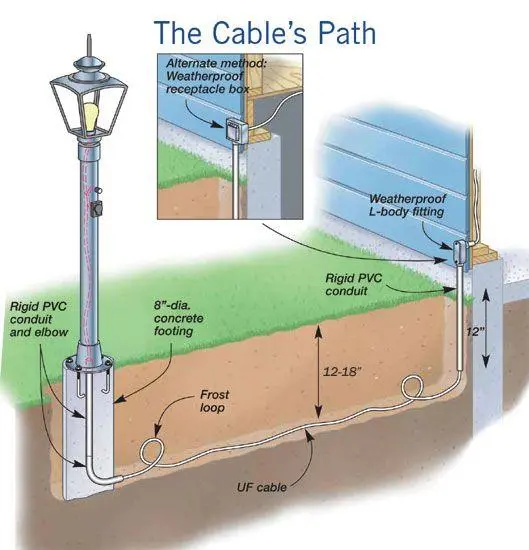
Deeper Burial
Burying low-voltage wire 6 to 12 inches deep in pet zones reduces access from paws, teeth, edgers, and surface digging.
For burial-depth planning, use landscape lighting wire burial depth code. For connector protection, see low voltage wire connectors for landscape lighting.
Wildlife Safety: The Risk Is Bigger Than Just the Wire
Wildlife safety includes the wire, but it also includes heat, glare, light direction, color temperature, and loose cable. A landscape lighting system can be electrically safe and still be disruptive if it throws bright light into trees, nests, water features, or migration paths.
Light pollution and disorientation
Bright outdoor lighting can affect nocturnal hunters, migratory birds, insects, and animals that depend on darkness. Uplighting into trees may look dramatic, but it can disturb roosting birds and night-feeding wildlife.
Heat hazard from old halogen fixtures
Older halogen landscape fixtures can run hot. Small animals such as frogs, lizards, insects, and curious pets may be drawn to warmth near fixtures. LEDs are safer because they usually run much cooler and allow better control of beam direction.
Entanglement and snagging
Loose wire lying across mulch, grass, shrubs, or wooded edges can snag small mammals, deer hooves, lawn tools, and pets. A clean buried cable route is safer and looks better.
For responsible outdoor light design, see the dark sky compliance guide and fix light trespass guide.
For fixture choices that protect nocturnal animals, insects, and backyard ecosystems, see our wildlife-friendly outdoor lighting guide for color temperature, shielding, and placement recommendations.
How to Choose Wildlife-Friendly Landscape Lighting Fixtures
Wildlife-friendly lighting does not mean you have to leave your yard dark. It means using the right amount of light, aimed in the right direction, with the right color temperature and controls.
- Use downlighting: Aim light toward paths, steps, and surfaces, not into trees or the sky.
- Choose warm white: 2700K warm white is usually less disruptive than 5000K cool white or blue-white light.
- Use shields and glare guards: Keep beams from spilling into habitats, neighboring yards, windows, and nesting areas.
- Use timers or motion sensors: Do not leave bright lighting on all night when it is not needed.
- Reduce wattage: Low-output fixtures often provide enough safety light without overwhelming the yard.
For broader outdoor lighting rules that protect neighbors and wildlife, see the outdoor lighting ordinance guide.
For fixture placement and safer layouts, visit Portfolio landscape lighting and landscape lighting layout design.
5-Step Pet-Proofing Plan for Landscape Lighting Wire
- Switch to 12V or 15V low voltage: Eliminate the exposed high-voltage risk wherever possible by using a listed low-voltage transformer.
- Bury deeper in pet areas: Use 6 to 12 inches of cover in dog runs, rabbit areas, mulch beds, and spots where animals dig.
- Armor riser wires: Protect the short wire section where it leaves the ground and enters the fixture with PVC, split-loom, or metal flex conduit.
- Use non-toxic deterrents: Bitter apple-style sprays may help with persistent chewers, but do not rely on taste deterrents instead of physical protection.
- Secure the transformer: Mount the power center out of reach or in a protected location while keeping it ventilated, accessible, and code compliant.
For safe transformer placement, read the landscape lighting transformer guide. If you are adding outlets, boxes, or buried wiring, review outdoor lighting junction box requirements.
If you are burying cable deeper in pet areas, also review low voltage lighting permit requirements before trenching or crossing easements.
Lighting Specialist Pro-Tip: What to Check if Your Dog Chews a Wire
In the lighting system itself, turn off the transformer, inspect the damaged wire, replace the damaged section, waterproof the splice correctly, and protect that location with conduit before powering the system again.
For rain and short-circuit problems after damaged wire, see landscape lights not working after rain.
Pet and Wildlife Landscape Lighting FAQ
Can a 12V wire kill a dog?
It is extremely unlikely for a properly operating 12V landscape lighting wire to kill a dog. The more realistic risks are mouth irritation, small burns at the bite point, fear/startle behavior, choking on insulation, and damage that later shorts the lighting system.
What is the best chew-proof wire for landscape lighting?
There is no 100% chew-proof landscape wire. The strongest practical setup is outdoor-rated or direct-burial cable protected inside Schedule 40 PVC conduit, especially at above-ground riser points and in areas where dogs, rabbits, or squirrels chew.
Are LED lights safer for wildlife than halogen?
Yes. LEDs usually run cooler than halogen fixtures, use less power, and can be aimed more precisely. Warm, shielded LED downlighting is generally safer and less disruptive than hot halogen fixtures or bright blue-white uplighting.
Can landscape lighting hurt birds?
It can when lights are too bright, too blue, aimed upward, or left on all night. Use warm 2700K fixtures, shields, timers, and downward beam angles to reduce disruption.
Should I bury landscape lighting wire if I have dogs?
Yes. In pet areas, burying wire is strongly recommended. Even if low-voltage cable is safer than 120V wiring, exposed wire is more likely to be chewed, snagged, pulled loose, or damaged by digging.
Final Safety Checklist
- Use low-voltage lighting instead of exposed 120V outdoor wiring.
- Bury wire deeper in areas where pets dig or play.
- Protect fixture riser wires with conduit or tubing.
- Use waterproof connectors and replace damaged cable sections.
- Mount the transformer out of reach and keep it ventilated.
- Choose cool-running LED fixtures over hot halogen fixtures.
- Use warm 2700K downlighting instead of blue-white uplighting.
- Do not leave loose wire across grass, shrubs, or wildlife paths.
More Landscape Lighting Safety Guides
Burial Depth Code
Learn how deep to bury low-voltage and line-voltage landscape lighting wire.
Open burial depth guideTransformer Safety
Choose and mount your low-voltage transformer safely around pets and outdoor traffic.
Open transformer guideCode and Safety
Review NEC, GFCI, junction box, burial, and grounding basics for outdoor lighting.
Open code safety guideDark Sky Lighting
Reduce glare, skyglow, and wildlife disruption with better fixture selection.
Open dark sky guidePet and Wildlife Safety Disclaimer
This guide is educational and does not replace advice from a licensed electrician, veterinarian, wildlife specialist, local inspector, or Authority Having Jurisdiction. If an animal chews electrical wiring, disconnect power and contact a veterinarian if the animal shows signs of mouth injury, distress, coughing, drooling, burns, or abnormal behavior.