
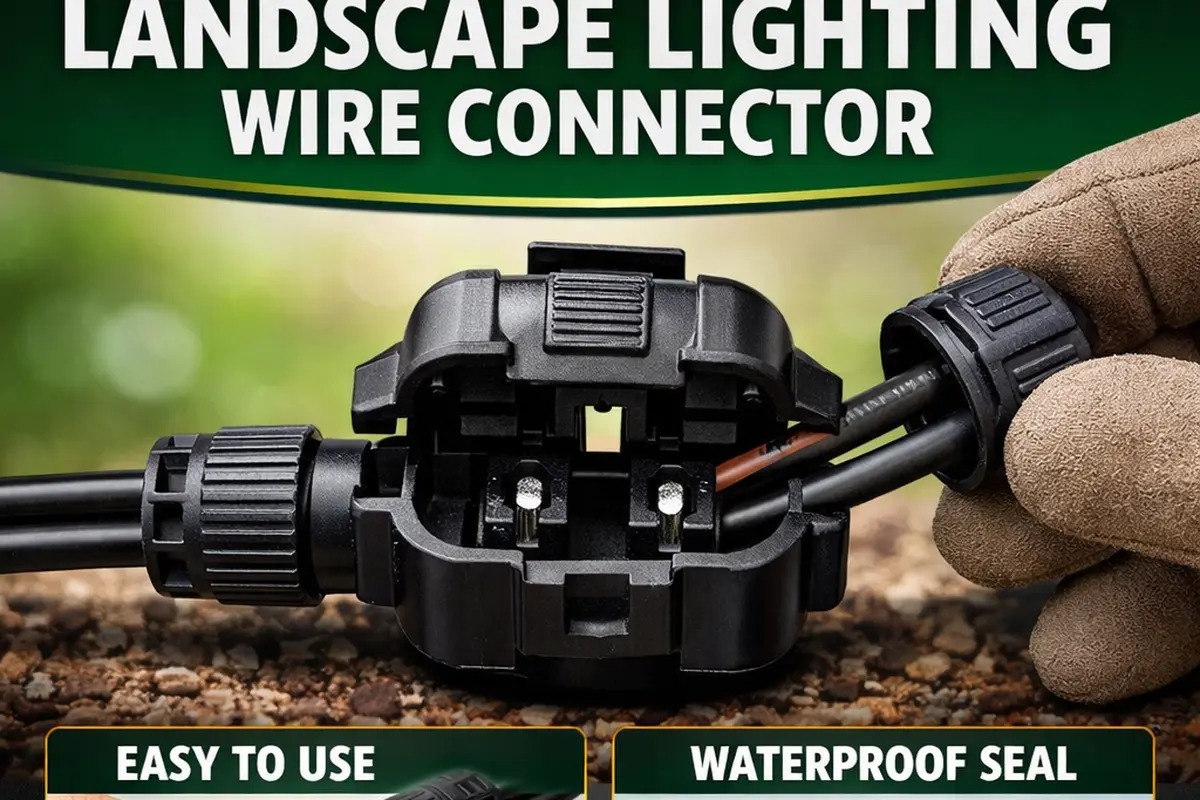
Quick Answer: My 7-Point Underground Splice Integrity & Weatherproof Waterproofing Framework
When a single landscape light or an entire backend run suddenly dies, you aren't usually dealing with a dead bulb—your underground copper splice has lost its physical connection. Standard electrical connectors can't handle direct burial; wet soil and morning frost will quickly seep into unsealed splices, rusting the copper wire strands until the electrical current chokes out entirely.
Whenever I get a service call to troubleshoot an unstable lighting loop or rebuild an old, failing line splice, I isolate the failure using these seven practical rules:
- 1. Throwing Out Factory Pinch Clips: I immediately cut away the cheap, push-and-snap plastic connectors that come bundled with retail light kits; they slice into the wire insulation and expose raw copper to direct dirt rot within a single season.
- 2. Packing Splices With Dielectric Gel: I only use direct-burial wire nuts pre-filled with thick silicone waterproofing grease; the gel forms a solid barrier that blocks rainwater, mulch acids, and lawn insects from reaching the copper wires.
- 3. Sizing for the Correct Wire Gauge: Mixing thick 12-gauge main line trunk wire with flimsy 18-gauge fixture leads inside a loose wire nut causes intermittent arcing; I double-check cap sizes to guarantee a tight mechanical bite.
- 4. Scraping Away Green Copper Oxide: If I open a failed joint and find a crumbly green crust on the wires, I cut the cable back past the water damage to clean, shiny metal before attempting a fresh splice.
- 5. Isolating Whole-Section Blockages: When a cluster of consecutive fixtures goes dark simultaneously, I march right back to the first dead light in the series; the main splice splitting from the trunk line at that specific hub is almost always broken.
- 6. Relieving Taut Cable Strain: Ground shifts and heavy footsteps pull tightly stretched wires right out of their caps; I always wrap a tiny loop of slack wire at every single connection point before burying it to absorb ground movement.
- 7. Running a Tension Pull Test: Before I bury any underground splice, I give every single wire lead a firm physical tug; if a cable wiggles or slides out even a fraction of an inch, I strip the line down and twist it together again.
⚠️ CRITICAL CORROSION RISK: Leaving loose, unsealed wire connections buried under your lawn creates high electrical resistance, which starves downstream fixtures of voltage and forces your main transformer to run hot. Ignoring these physical splice requirements triggers three major line faults that I trace out step-by-step inside my underground wiring blueprints below.
In my 25 years fixing low-voltage yard lines, the secret to a zero-maintenance display is making your splices entirely bulletproof against the elements. Taking an extra five minutes to lock down a waterproof, grease-packed seal today saves you from spending next spring digging through the dirt searching for an invisible break.
Don't guess where your line breaks are or start cutting up your main landscape runs blindly. Use my step-by-step splice assembly maps, wire gauge grouping guides, and diagnostic continuity testing layouts detailed further down this page to lock in a clean, perfect connection.
How Connector Problems Affect Your Lighting System
- Bad connector → interrupts power flow
- Moisture → causes corrosion
- Corrosion → increases resistance
- Resistance → reduces voltage
- Low voltage → dim or dead lights
How to Replace a Low Voltage Landscape Lighting Wire Connector
Most connector failures can be fixed in under 20 minutes by replacing the splice with a waterproof connector and testing before reburying.
Waterproof connectors are only part of the connection strategy. If the splice needs an enclosure, follow our outdoor lighting junction box requirements.
Follow these steps to fix most landscape lighting connector problems quickly:
-
Turn off power at the transformer
Unplug or switch off the transformer before working on any wiring or connections. -
Expose the connector and inspect the wires
Locate the problem area and check for corrosion, loose contact, cracked housing, or moisture inside the connector. -
Remove the bad connector
Cut out the failed connector completely. Do not reuse corroded or loose connections. -
Trim back damaged wire
Cut away any oxidized or damaged wire until clean copper is visible. -
Install a waterproof connector
Use a connector rated for outdoor low voltage lighting and matched to your wire size. Make sure it seals tightly. -
Restore power and test the light
Turn the system back on and confirm the fixture works before burying the connection. -
Rebury the connection
Once the light is working properly, place the connector back into the ground carefully.
Connector choice affects more than convenience. The low-voltage plug and limited-energy connector guide explains terminal over-torque, insulation-piercing connector failures, voltage leakage, smart plug overload, and other outdoor connection problems that can quietly damage a lighting system.
Corroded wire connectors and wet splices can create intermittent shorts, unstable voltage and overload conditions that eventually trigger transformer protection warnings. This low-voltage lighting error code and transformer fault guide explains how connection failures often appear through blinking systems, shutdown events and transformer diagnostic alerts.
If you have ever had a landscape light work one day and fail the next, there is a good chance the connector deserves a close look. Outdoor lighting systems live in dirt, mulch, rain, heat, and freeze-thaw cycles. Even when the transformer is fine and the bulb is still good, a loose or water-damaged connector can interrupt power and make the whole setup look unreliable. That is why connector replacement is such an important repair topic for homeowners maintaining low voltage landscape lighting.
For a complete overview of system design, troubleshooting, and upgrades, see Portfolio landscape lighting.
On this page, you will find a practical, homeowner-friendly explanation of the most common connector styles, what mistakes cause them to fail, how to choose waterproof connectors for outdoor use, and how these repairs tie back into Portfolio lighting systems. If you are trying to decide whether the problem is the wire, the transformer, or the connector itself, this page is designed to help you narrow that down quickly.
For larger or higher-value systems, connector quality is part of the upgrade decision. See the commercial-grade landscape lighting upgrade guide to understand when better splices, wiring, and fixtures are worth it.
What Landscape Lighting Wire Connectors Actually Do
In a low voltage landscape lighting system, the transformer sends power through a main cable that runs out into the yard. Each fixture then taps into that cable using some kind of connector, splice, or terminal connection. Without a solid connector, power never reaches the light consistently. That is why even a small connector problem can mimic a much larger system failure.
Connectors matter because they create the electrical bridge between the main low voltage cable and the fixture lead wire. If that connection is weak, corroded, or poorly sealed, the result may be flickering lights, dim output, intermittent operation, or a fixture that stops working completely. In older systems, connectors often wear out before the main fixture housing does.
To understand how connectors fit into the full system, review the landscape lighting system diagram.
Why connectors fail so often outdoors
Outdoor lighting connectors are exposed to moisture, dirt, fertilizers, mulch acids, temperature swings, and physical disturbance from yard work. In many cases, the original connection was also made quickly with a basic piercing clip or low-quality splice that worked for a while but was never ideal for long-term outdoor reliability.
In pet areas, weak or exposed connectors can be chewed, pulled loose, or contaminated with moisture. See pet and wildlife safety for low-voltage landscape wire before placing connectors near ground level.
For seasonal and permanent display ideas that depend on durable outdoor connections, see the holiday lighting guide for holiday lighting safety, storage, troubleshooting, and planning tips.
Types of Low Voltage Landscape Lighting Wire Connectors
Not all landscape lighting connectors are the same. Some are fast and convenient for basic installs, while others provide much better long-term moisture resistance. Choosing the right type depends on how permanent you want the repair to be and how much exposure the connection will face.
| Connector Type | How It Works | Best Use | Main Tradeoff |
|---|---|---|---|
| Gel-filled waterproof connectors | Sealed connector with waterproof gel inside | Outdoor repairs and permanent low voltage connections | Slightly bulkier than basic clips |
| Piercing connectors | Metal teeth pierce cable insulation to make contact | Quick fixture tap-ins on existing cable runs | Can loosen or corrode over time |
| Wire nut with outdoor sealant | Twist-on connection protected with added sealant or cover | Repairs when you need flexibility | Less ideal if not sealed correctly |
| Heat-shrink connectors | Crimped connector sealed by heat-shrink tubing | More permanent professional-style repairs | Requires more tools and care |
For most homeowners, gel-filled waterproof connectors are the easiest upgrade because they give you better moisture protection without making the repair too technical.
Most Common Connector Problems Homeowners See
- Lights stop working after rain
- One section loses power completely
- Lights flicker when touched
- Connections loosen over time
- Corrosion builds inside connectors
Wire Gauge and Connector Compatibility
One of the most important parts of choosing a replacement connector is matching it to the wire gauge in your landscape lighting system. If the connector is too small, it may not grip properly. If it is too large, it may never make consistent contact. Many outdoor lighting problems come down to poor fit rather than bad materials.
Common wire gauges in low voltage landscape lighting
Most residential low voltage systems use 12-gauge, 14-gauge, or 16-gauge cable. Heavier cable such as 12-gauge is often used for longer runs or systems with more fixtures because it helps reduce voltage drop. Smaller fixture leads may also be thinner than the main trunk line, which is why connector design matters.
| Wire Gauge | Typical Use | Connector Consideration |
|---|---|---|
| 12 gauge | Long runs and higher-load landscape systems | Needs connectors rated for thicker cable and strong contact pressure |
| 14 gauge | Most standard residential landscape lighting systems | Common fit for many outdoor low voltage connectors |
| 16 gauge | Smaller systems and lighter fixture leads | May need careful matching to avoid loose connections |
If your low voltage system also has wiring performance issues beyond the connector itself, it may help to review low voltage landscape lighting and your Portfolio landscape lighting wiring guide for a broader look at cable runs and layout problems.
How to Replace a Bad Landscape Lighting Wire Connector
Replacing a connector is one of the most practical repairs in an outdoor lighting system. It is also one of the easiest ways to restore a dead fixture without replacing the entire light. Before starting, always shut off or unplug the transformer powering the system.
Basic replacement steps
Start by locating the fixture that is failing or the section of cable where the lights stop working. Inspect the existing connector for rust, loose contact points, cracked housing, green corrosion, or signs that water has gotten inside. If the old connector is clearly compromised, remove it and create a fresh connection.
In most cases, the process looks like this:
- Turn off power at the transformer
- Expose the connector and inspect both the main cable and fixture lead
- Remove the old connector or damaged splice
- Trim back damaged wire if needed
- Install a new waterproof connector matched to the wire size
- Reconnect and test the light before reburying the connection
When to replace more than one connector
If one connector has failed because of age or moisture, the others nearby may not be far behind. On older systems, it often makes sense to replace several weak connectors at the same time instead of chasing one small failure after another throughout the season.
A poor low-voltage splice may still pass enough power to light a fixture while leaking enough current to trip a GFCI upstream. The low-voltage connector ground-fault troubleshooting guide explains why waterproof connector choice matters.
Best Waterproof Landscape Lighting Connector Options
When people search for the best wire connectors for landscape lighting, what they usually mean is the best connector that will still work after months of rain, irrigation, and buried outdoor exposure. Waterproofing matters because even a tiny amount of moisture can eventually corrode a weak connection and cause voltage loss.
Gel-filled connectors
These are often the most practical option for homeowners. The internal gel helps protect the metal contact points from water and keeps the connection sealed in typical outdoor conditions.
For wet in-ground fixture locations, connector choice can decide whether the repair lasts. The Portfolio well light connector repair guide shows how failed vampire clips, blackened copper, and moisture-wicked wire cause intermittent outages.
Heat-shrink sealed connectors
These are a stronger option when you want a more permanent repair and are comfortable using a crimp tool and heat-shrink seal. They are common in more professional installations.
Piercing clip connectors
These are fast to install and commonly included with many lighting kits, but they are not always the most durable long-term choice, especially if the connection never seats cleanly or the area stays wet.
Waterproof Gel Connectors
Good all-around option for outdoor repairs and new low voltage fixture connections.
Search eBayLow Voltage Splice Connectors
Useful when repairing a damaged section of cable or reconnecting a fixture lead.
Search eBayOutdoor Wire Repair Parts
Helpful if you are fixing connectors, damaged cable, and old outdoor lighting splices together.
Not every replacement fixture arrives with the same connector system. Some brands include pierce-pin clips, others provide gel-filled connectors, while many professional fixtures require direct wire splicing. The Landscape Lighting Brands Specifications Guide explains which connection methods each major manufacturer uses, when they work well together, and why connector choice often determines long-term reliability more than the fixture itself.
Search eBayCommon Landscape Lighting Connector Mistakes
Many connector problems come from installation shortcuts rather than defective parts. A few small mistakes can make a connection fail much sooner than it should, especially in outdoor conditions.
Using a connector that does not match the wire size
A connector needs enough pressure and proper contact area to work. If it does not fit the cable correctly, the connection may feel secure at first but still fail electrically.
Not sealing the connection against moisture
Basic dry connectors are rarely the best long-term choice outdoors. If water reaches the metal contact point, corrosion usually follows.
Leaving damaged wire in place
Sometimes the connector is not the only problem. If the wire conductor itself is oxidized, cut back to clean wire before making the new splice.
Assuming a flickering light is always a bulb issue
Bulbs do fail, but connector issues are just as common in older landscape systems. That is why bulb replacement and connector inspection often go hand in hand.
One reason I prefer gel-filled connectors is that old pierce-style connectors can create hidden failure paths. A system that works in rain but not when dry is often revealing a connector that only conducts when moisture temporarily lowers resistance.
Broken stakes and unstable fixtures often pull on underground wire connections over time, eventually creating moisture intrusion, loose splices and intermittent low-voltage faults. This Portfolio broken stake repair guide explains practical ways to stabilize damaged fixtures and reduce strain on buried wiring, while the landscape lighting transformer fault code guide helps diagnose overloads, wiring faults and transformer protection shutdowns linked to unstable field connections.
Portfolio Landscape Lighting Connector Compatibility
Many Portfolio landscape lighting systems use standard low voltage wiring principles, which means you do not always need a Portfolio-branded connector to make a successful repair. In many cases, a properly sized waterproof low voltage connector will work just fine as long as it is suited to the wire gauge and the outdoor environment.
This is especially helpful because some original Portfolio parts are harder to find than they used to be. If you are maintaining an older Portfolio setup, connector replacement is often one of the easiest repairs because compatibility is usually broader than with certain fixture-specific parts.
If you are working on a Portfolio system, these guides are especially relevant:
- Portfolio lighting parts and accessories
- Portfolio lighting transformer troubleshooting
- Landscape lighting replacement parts
- Portfolio lighting transformer replacement
If your connector issue turns out to be part of a larger wiring or power problem, also review Portfolio outdoor transformer lighting and replacement for Portfolio landscape lighting to see whether the system needs a broader repair plan.
How to Test Landscape Lighting Connector Problems
If you are not completely sure the connector is the problem, a simple process of elimination usually helps. The key is to check the system in a logical order so you do not replace parts that were never bad.
If your connectors are working but lights are still dim, the issue may be power loss across the cable. See landscape lighting voltage drop to diagnose system-wide performance issues.
If multiple lights are failing or dim, your transformer may be overloaded. Use the transformer size calculator to check your system capacity.
If connectors are solid but lights are uneven, the issue may be voltage balancing. Use the voltage tap calculator to fine-tune transformer output.
Step 1: Confirm transformer output
Make sure the transformer is powered, functioning, and sending voltage to the main cable. If the transformer is dead, no connector repair will solve the problem.
Step 2: Identify whether the failure is isolated or spread out
If only one light is out, the connector or bulb at that fixture is a likely culprit. If several lights in one area are out, inspect the connection point where that section branches from the main run.
Step 3: Inspect the connector physically
Look for green corrosion, broken housing, loose clips, moisture intrusion, or wires that have slipped out of place. Many bad connectors reveal the problem visually.
Step 4: Reconnect and retest
A fresh waterproof connection often restores the light immediately. If it does not, then move outward to the fixture lead, bulb, socket, and surrounding cable condition.
Quick Comparison: Which Connector Repair Situation Are You Dealing With?
| Problem | Likely Cause | Best First Fix | Related Guide |
|---|---|---|---|
| One light is out | Bad connector, bulb, or socket | Inspect connector and replace bulb if needed | Bulb replacement |
| Several lights in one section are out | Failed splice or branch connection | Inspect the main connector feeding that section | Landscape lighting wiring |
| Lights flicker after rain | Moisture intrusion at connector | Replace with waterproof gel-filled connector | Transformer troubleshooting |
| Entire system is dead | Transformer, timer, outlet, or major cable issue | Check power source and transformer first | Transformer replacement |
When a Connector Repair Is Better Than Replacing the Whole Light
Homeowners often assume a dead landscape light means the fixture itself is finished. Sometimes that is true, but often the better repair is much smaller. If the housing is still in decent shape and the light only fails at the connection point, replacing the connector is usually cheaper and faster than replacing the entire fixture.
This is especially true on older Portfolio systems where the fixture style still matches the rest of the yard and you simply want to restore function without mixing in a noticeably different replacement light. A connector fix keeps the visual look consistent while solving the actual electrical problem.
Replace a Broken Stake
Sometimes the fixture is fine but the ground stake and connection area are what failed.
Read the guideReplace a Path Light
If the fixture body is damaged too, a path light replacement may make more sense.
Read the guideReplace a Bulb First
A simple bulb failure can look like a wiring issue until you test both side by side.
Read the guideFrequently Asked Questions
What are the best wire connectors for landscape lighting?
For most outdoor repairs, waterproof gel-filled connectors are one of the best all-around choices because they protect the connection from moisture and work well in typical residential low voltage systems.
Can I use regular wire nuts for landscape lighting?
You can in some repair situations, but they are usually not the best long-term choice unless the connection is properly protected for outdoor exposure. Waterproof connectors are usually safer and more reliable.
Why do landscape lighting connectors fail?
The most common reasons are moisture intrusion, corrosion, poor wire contact, bad fit for the wire gauge, and connector designs that were never sealed well for outdoor conditions.
Are Portfolio lighting connectors proprietary?
Usually not in the way some fixture housings or trim pieces are. Many Portfolio systems use standard low voltage wiring concepts, so compatible outdoor connectors often work as long as the fit and wire size are correct.
Should I replace all the connectors at once?
Not always, but if your system is older and multiple splices look weathered, replacing several weak connectors during one repair visit can save time and reduce repeat failures later.
Affiliate Disclosure
Some links on this page are affiliate links. That means this site may earn a small commission if you click through and make a purchase, at no extra cost to you. These links help support the site and allow us to continue creating useful guides for Portfolio lighting, landscape lighting repairs, replacement parts, and troubleshooting topics.