
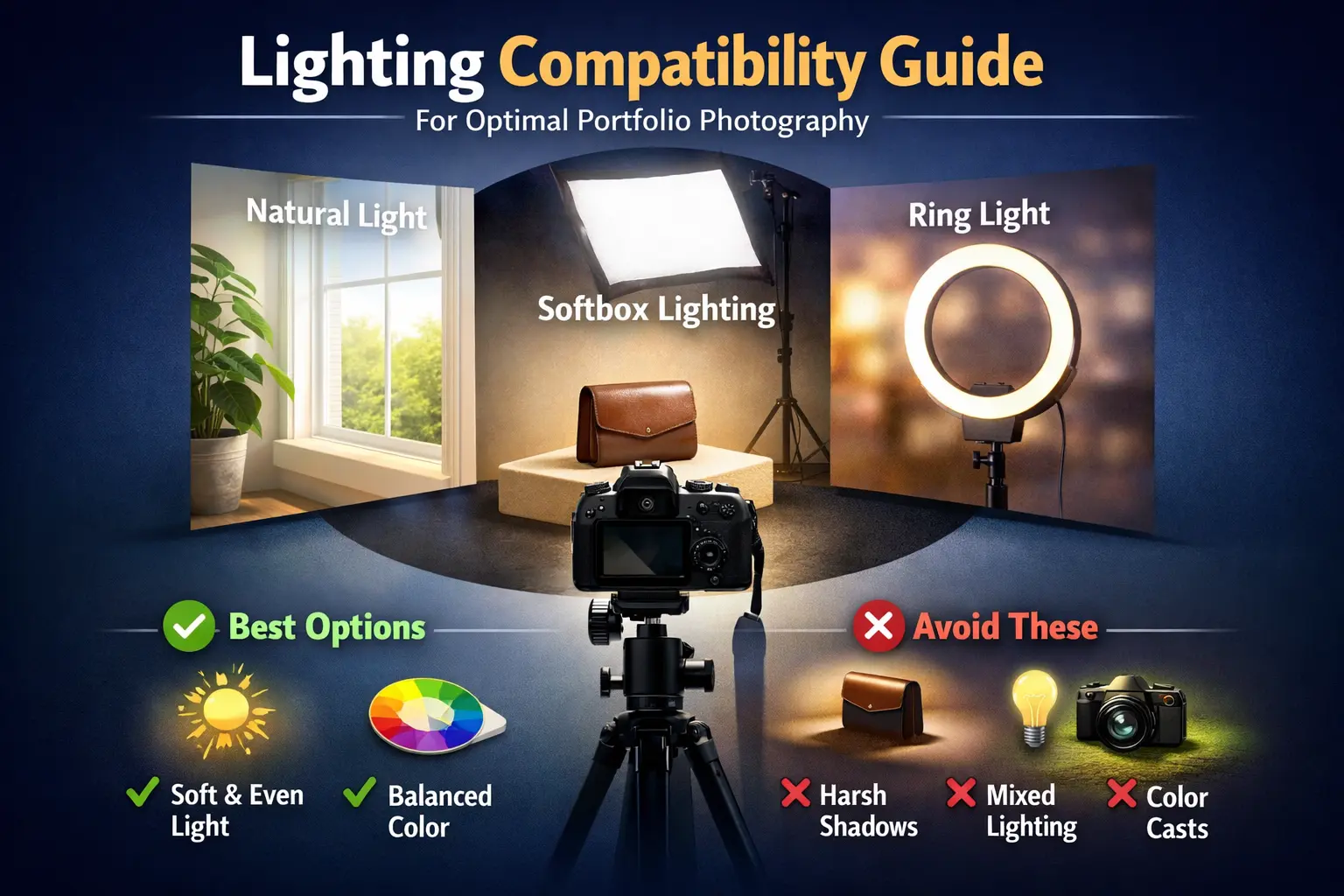
Quick Answer: My 7-Point Portfolio Component Fit & Hardware Cross-Reference Framework
Ensuring an after-market or replacement Portfolio component fits correctly means matching mechanical thread steps, fitter widths, and driver electronics, not just looking at a picture online. Because these fixture lines have changed hands over the years, a blind guess will leave you stuck with glass globes that don't slide into place, or bulbs that immediately burn out from voltage mismatches.
Whenever I source parts to rebuild an aging lighting loop or cross-check replacement hardware for a client, I run through these seven sizing and safety rules:
- 1. Pinning Down the Bulb Base: I never trust eye-balled sizes; I cross-reference the exact physical pins (like a GU10 twist-lock vs. a bi-pin wedge) and double-check that the operating voltage matches your transformer output.
- 2. Balancing Transformer Capacity: When swapping out a power box, I calculate the absolute running wattage of your entire yard line, then make sure the new box has a mandatory 20% safety margin so it doesn't overheat.
- 3. The Fitter Opening Rule: For replacement glass shades, I use a digital caliper to check the exact collar width; even a 1/16th of an inch difference means the glass won't secure inside the mounting collar screws.
- 4. Matching Ground Stake Thread Steps: Broken yard spikes can't just be swapped with anything; I verify the thread size (usually standard 1/2-inch NPT) to make sure the post seals tight without stripping out.
- 5. Locking Wire Gauge Connections: I only use replacement wire splices that are rated for underground direct burial; using indoor wire nuts introduces water rot that drops your entire line offline.
- 6. Isolating Driver Output Limits: If you're replacing indoor integrated LED components, I check the output milliamp rating on the driver body so you don't instantly melt your replacement module.
- 7. Verifying True Brand Lineages: Since Portfolio shares design spaces with other home-center store brands, I use physical factory labels to verify component crosses rather than guessing by the outside look of the fixture.
Portfolio Compatibility Decision Guide
| What You’re Replacing | Will It Fit? | What To Check First |
|---|---|---|
| Bulb | Yes | Verify the exact pin base style + fixture voltage label |
| Transformer | Yes | Calculate total running load wattage of your current loop |
| Glass or shade | Only with exact match | Measure the physical fitter throat opening with a caliper |
| Stake or mount | Sometimes | Confirm NPT thread matching and structural stem size |
| Wire connectors | Yes | Ensure low-voltage outdoor burial + waterproof gel rating |
Taking an extra minute to double-check these base dimensions protects your equipment from short circuits and saves you from frustrating return trips to the home improvement store.
⚠️ CRITICAL COMPONENT RISK: Forcing mismatched components into legacy systems can trigger high electrical resistance that slowly degrades your main power lines. Violating these physical dimensions can cause unexpected circuit resets, which I analyze step-by-step in my hardware tear-down diagrams below.
Don't gamble on parts charts or buy replacement components blindly. Use my step-by-step size templates, historical model lookup tools, and step-by-step wiring charts detailed further down this page to find your perfect hardware match instantly.
Compatibility Is About More Than Just “Fit”
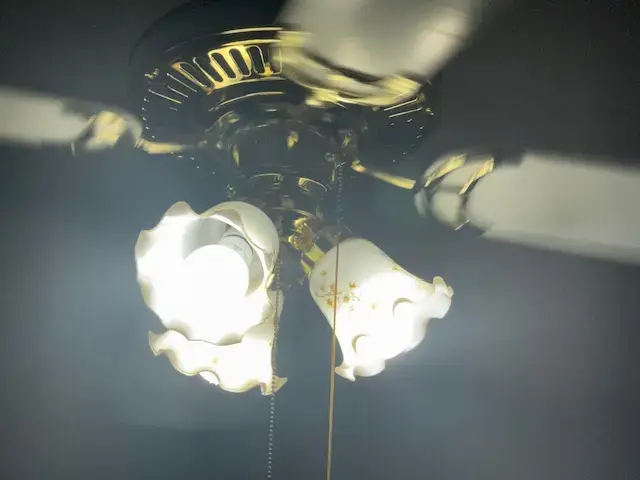
Compatibility is not only about whether a bulb physically screws into a socket. A successful upgrade also depends on brightness distribution, glare control, dimmer behavior, heat management, and overall fixture geometry.
Older ceiling fan fixtures are a good example. The housing and glass shades may still work perfectly, but the lighting quality can improve dramatically with better-matched LED bulbs and modern low-flicker lighting technology.
Start Here: What Are You Trying to Replace?
- Bulb burned out → check base and voltage
- Transformer failed → check watt capacity
- Glass broke → measure fitter size
- System not working → troubleshoot before replacing parts
Starting with the correct category makes compatibility much easier.
Mechanical compatibility should be confirmed before electrical compatibility is considered complete. A stake or riser may accept several turns and still use the wrong taper, shoulder, engagement depth, or thread standard. That can leave the fixture loose, tilted, too high, or supported by only one or two damaged threads. Use the landscape lighting thread compatibility guide to document male or female orientation, outside diameter, pitch, taper, thread length, wire clearance, and final seating position before accepting a replacement part as compatible.
Compatibility becomes even more important when working with older Portfolio lighting products. Vintage fixtures often use unique mounting dimensions, sockets, glass, finishes, and hardware that differ from newer generations despite appearing similar. The Portfolio Vintage Lighting guide explains how these legacy construction details affect restoration and replacement decisions.
Portfolio lighting compatibility usually comes down to a few practical checks: voltage, bulb base, fixture size, connection style, transformer capacity, and whether the replacement part is designed for indoor or outdoor use.
That matters because many homeowners replace parts too quickly without confirming the basics first. A bulb may fit physically but still be the wrong base. A transformer may power on but still not be the right output for the system. A replacement glass shade may look close in photos but fail because the fitter size is off by a small amount.
This page is designed to help you compare the most common compatibility issues before spending money on parts that do not fit.
If your main question is whether another brand will physically and electrically work with Portfolio connectors, go to Can You Mix Portfolio Lighting With Other Brands?. That page focuses specifically on connector compatibility, wire gauge, mixed-brand failures, and when brand mixing is worth it.
Searching for compatible glass, stakes, or transformers is much easier when you have the original part numbers. Our digital Portfolio Lighting Master Model & Replacement Handbook serves as a definitive resource for cross-referencing discontinued parts with modern alternatives to keep your system running.
What Portfolio Lighting Compatibility Really Means
Compatibility does not always mean an exact brand-to-brand replacement. In real-world homeowner searches, Portfolio lighting compatibility often means finding a part that matches the original fixture closely enough in function, size, connection type, and electrical requirements to work safely and look right.
For example, a replacement transformer may be compatible because it provides the correct low voltage output and enough total wattage for the lighting run. A bulb may be compatible because it has the same base type, voltage, and shape. A replacement stake or connector may be compatible because it fits the fixture mounting system and wire gauge even if the packaging is not labeled specifically for Portfolio.
For older model numbers and shared part families, use the Portfolio technical archive alongside this compatibility guide.
Why Most Compatibility Mistakes Happen
- Buying based on appearance instead of specs
- Ignoring voltage differences
- Assuming all parts are universal
- Skipping measurements
Compatibility problems are usually simple mistakes, not complex technical issues. Checking a few key details first can prevent most wrong purchases.
For exact model-level compatibility notes involving transformers, connectors, integrated LEDs, and legacy GL-series systems, see the Portfolio Lighting Master Model Technical Database.
Portfolio Lighting Compatibility Quick Reference
This table covers the most common replacement questions homeowners run into when matching Portfolio lighting parts and accessories.
| Item | What Must Match | Common Mistake | Best First Check |
|---|---|---|---|
| Bulbs | Base type, voltage, bulb shape, wattage range | Buying a bulb that looks right but uses the wrong base | Read the old bulb base and fixture label |
| Transformers | Output voltage, watt capacity, control type, outdoor rating | Replacing with too little wattage for the total system load | Total up fixture wattage and check voltage output |
| Replacement glass | Fitter size, opening diameter, mounting style, shape | Ordering by appearance only | Measure the fitter opening carefully |
| Stakes and mounts | Stem size, thread type, fixture mount design | Assuming all landscape stakes are universal | Compare mount size and connection point |
| Wire connectors | Wire gauge, low voltage use, waterproof rating | Using indoor connectors outdoors | Check cable gauge and outdoor rating |
| Photocells or timers | Voltage rating, control style, transformer fit | Replacing the sensor without checking controller compatibility | Confirm the original control setup first |
Compatibility begins with identifying the fixture family before comparing electrical specifications. Two fixtures can operate at the same voltage while using different mounting systems, sockets, optical designs, or replacement hardware. The Portfolio Lighting Fixtures guide explains how Portfolio organized its major fixture families and which physical characteristics determine whether replacement parts or complete fixtures will actually fit.
Compatibility Includes the Way the Fixture Throws Light
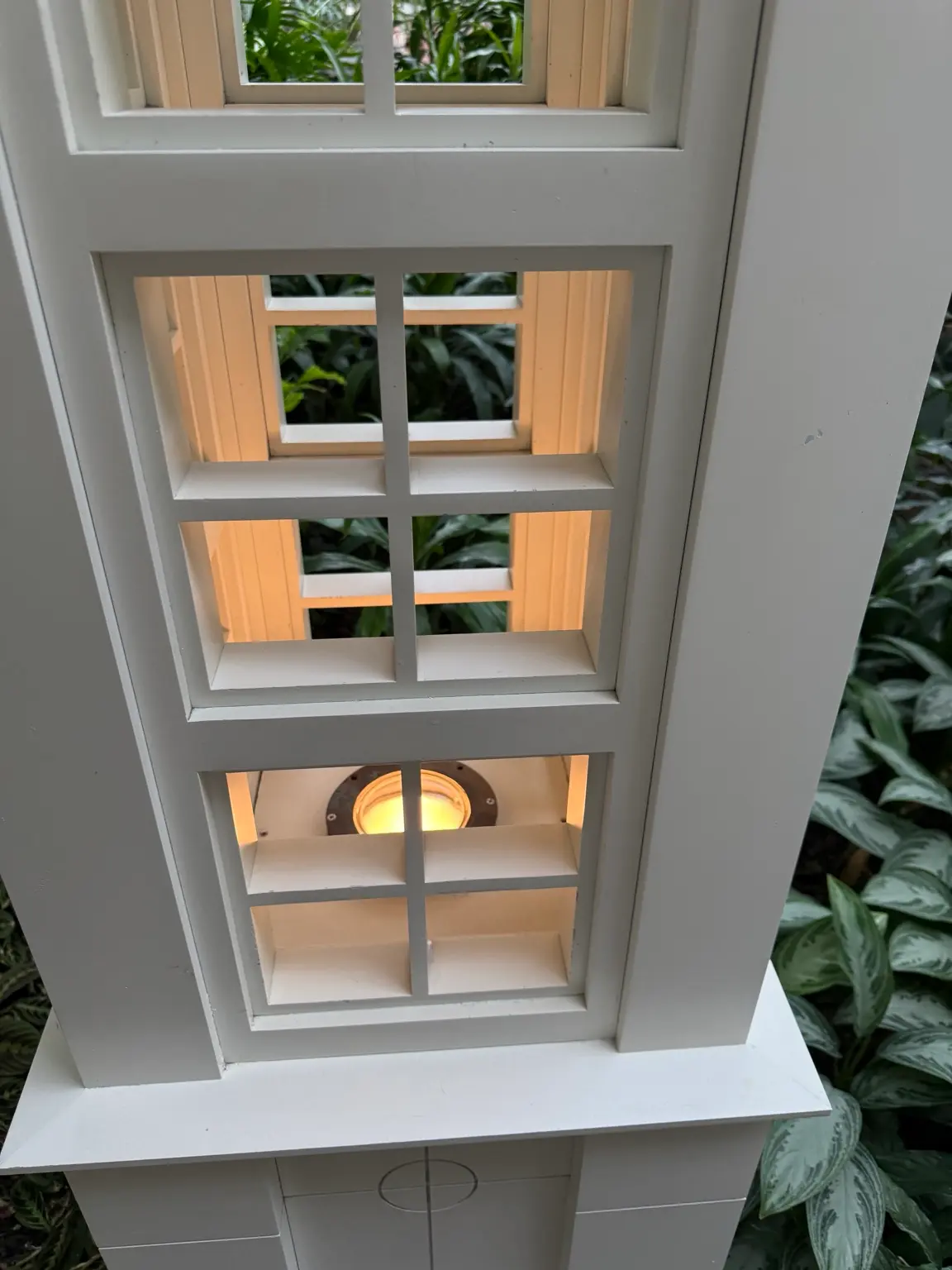
When replacing older Portfolio lighting, compatibility is not only about whether a part physically fits. The replacement should also create the right lighting effect. A fixture that matches the voltage but throws harsh light in the wrong direction may technically work, but it will not feel like the original design.
Before choosing a replacement, compare the fixture shape, lens style, beam direction, color temperature, mounting location, and how the light interacts with the surrounding architecture.
Portfolio Lighting Bulb Compatibility
Bulb compatibility is one of the most common reasons homeowners land on PortfolioLighting.net. In many cases, the fixture itself still works fine, but the original bulb has burned out, become hard to find, or has already been replaced once with the wrong type.
Start with the bulb base
The base matters more than the glass shape. If the base type does not match, the bulb will not install correctly or make proper contact. Common replacement searches often involve bi-pin bulbs, candelabra bases, medium bases, and low voltage lamp styles used in landscape fixtures.
Check voltage before you buy
Many Portfolio outdoor systems use low voltage components, while indoor fixtures may use standard household voltage. A bulb that fits physically may still be incompatible if the voltage is wrong. That can lead to dim output, non-working fixtures, or shortened bulb life.
LED replacements can work well, but compare sizing
LED replacement bulbs are often a smart upgrade when they match the original base, voltage, and physical clearance inside the fixture. Some enclosed fixtures or decorative shades leave very little room, so overall bulb length and width can matter more than many buyers expect.
If you are replacing a failed bulb after flickering or dim output, it can also help to review our Portfolio lighting troubleshooting guide before ordering new parts.
Portfolio Lighting Transformer Compatibility
Transformer compatibility is especially important for outdoor landscape lighting systems. The replacement transformer needs to do more than just turn on. It needs to match the system voltage, handle the total fixture load, and work with the timer, photocell, or control setup you plan to use.
Match output voltage
Many Portfolio landscape systems use low voltage output, and that must stay consistent across the run. If the transformer output does not match what the fixtures expect, the lights may not work correctly or may fail prematurely.
Check total watt capacity
Add up the fixture wattage for the entire run before buying a replacement transformer. A transformer with too little capacity can cause poor performance, buzzing, overload shutoff, or unreliable operation over time.
Consider timer and photocell controls
Not every replacement transformer handles controls the same way. Some homeowners replace the power unit only to find the timer instructions, manual override, or dusk-to-dawn features work differently than the original setup.
When choosing fixtures, it’s important to understand how different types work together within the same system. This includes selecting compatible Portfolio path lights, spotlights, and low voltage components to ensure proper performance, consistent brightness, and long-term reliability across your lighting layout.
For deeper help, visit: Portfolio lighting transformer troubleshooting, Portfolio transformer not working, and how to reset a Portfolio transformer.
Compatibility is not only about whether a part physically fits. If the goal is healthier lighting behavior, the Portfolio human-centric lighting retrofit guide shows how compatible housings, drivers, emitters, lenses, and voltage conditions work together in an HCL upgrade.
Portfolio compatibility is not just about whether a part looks close. Lens shape, socket type, stake thread, LED module design, transformer output, connector style, and finish code can all change the correct replacement path. If your model number is unfamiliar or incomplete, check the Portfolio Lighting Lost Models Archive before assuming a universal part will fit.
Replacement Parts Compatibility for Portfolio Lighting
Portfolio lighting replacement parts often need to be matched by measurements, connection style, and intended use rather than by exact model name alone. That is especially true for older fixtures, discontinued product lines, and secondhand parts listings.
Remote failures are often compatibility problems rather than simple battery issues. For help matching AC vs DC remotes, dip-switch systems, and universal receiver kits, visit the Portfolio ceiling fan remote replacement guide.
Replacement glass and shades
Glass shades usually need the correct fitter size, opening diameter, and mounting style. Even a small mismatch can keep the glass from seating correctly. If you are looking for replacement shades, measure first and compare the mounting method before buying.
Stakes, mounts, and landscape hardware
Landscape lighting stakes are often assumed to be universal, but mount sizes can vary. Check thread type, stem fit, and the way the fixture connects to the stake. This is one of the most common compatibility misses in outdoor Portfolio lighting systems.
Wire connectors and cable parts
Outdoor wire connectors need to match the wire gauge and should be made for low voltage exterior use. Waterproof or weather-resistant connectors are a better choice for landscape lighting than basic indoor-style connectors.
Photocells, timers, and small controls
These parts can be harder to match because they depend on the transformer or fixture control design. A photocell that looks similar may not use the same voltage or wiring arrangement.
Replacement Parts Hub
Browse the main replacement parts page for shades, bulbs, transformers, stakes, connectors, and accessories.
View parts guideInstallation Help
Use installation instructions to compare wiring layout, basic setup, and compatible replacement options.
View installation guideIndoor vs Outdoor Portfolio Lighting Compatibility
Indoor and outdoor replacements are not interchangeable just because the size looks similar. Outdoor parts need to handle weather exposure, moisture, temperature swings, and landscape use. Indoor parts are often more decorative and may not be rated for the same conditions.
Outdoor compatibility checks
- confirm low voltage vs line voltage requirements
- check weather resistance and outdoor rating
- compare stake mount, cable gauge, and connector style
- look at transformer control compatibility if the system is automated
Indoor compatibility checks
- match bulb base and socket style
- measure shade fitter size and fixture clearance
- compare decorative mount type and hardware layout
- confirm whether dimmable bulbs or switches are involved
If you are researching indoor categories, you may also want to review our related pages on Portfolio pendant lighting, Portfolio chandeliers, and Portfolio wall lighting.
How to Compare an Old Portfolio Part to a New Replacement
When the original packaging is gone or the model number is unreadable, the safest approach is to compare the old part directly against the new listing details. This works especially well for bulbs, glass, stakes, mounts, and many transformer accessories.
- remove the old part carefully and inspect for any markings
- measure diameter, length, opening size, or mounting point
- confirm voltage or bulb base where applicable
- check whether the part is intended for indoor or outdoor use
- compare connector style and installation method
Common Compatibility Mistakes Homeowners Make
Most compatibility problems come from a few repeat mistakes. Avoiding these can save time, shipping costs, and frustration.
- buying by appearance only without checking measurements
- matching bulb shape but ignoring the base type
- replacing a transformer without calculating fixture wattage
- using indoor-rated connectors outdoors
- assuming all landscape lighting stakes are universal
- skipping troubleshooting and replacing the wrong part first
If the lighting system stopped working suddenly, it is often smarter to diagnose first using our troubleshooting guide before spending money on parts you may not actually need.
Shop by Compatibility Type
Some readers prefer to compare parts by category first instead of by troubleshooting symptom. These links can help narrow down your search.
Replacement Bulbs
Compare base types, common sizes, and fixture fit before replacing failed or dim Portfolio bulbs.
Shop compatible bulbsReplacement Transformers
Find compatible Portfolio transformers and low voltage power supplies for outdoor systems.
Shop transformersReplacement Shades and Parts
Browse glass shades, fixture parts, stakes, and small accessories that may fit older Portfolio lights.
Shop replacement partsWhy Portfolio Compatibility Problems Happen
One of the biggest reasons homeowners order the wrong Portfolio Lighting replacement part is because many fixtures were sold in visually similar product families that actually used different wiring systems, lens sizes, stem diameters and mounting hardware. A replacement lens or shade may appear correct online but still fail because the gasket depth, retainer lip or voltage rating does not match the original fixture.
The Portfolio model 016107 WHCM432R8 lens guide explains how lens geometry and gasket compression affect weather resistance, while the Portfolio model 0311569 kit replacement guide demonstrates why kit-based fixtures can confuse replacement-part searches when only one component fails.
Hardware compatibility is another overlooked issue in discontinued lighting systems. The Portfolio model 17945-000 shade replacement guide explains how fitter size, set-screw spacing and glass thickness determine whether a replacement shade actually seats correctly, while the Portfolio model 230132-145P parts guide focuses on identifying the difference between a failed fixture body and a failed connector or low-voltage splice.
For discontinued models where the original paperwork has disappeared, the FY09-003 0048184 manual and parts guide, Portfolio model 18907-000 manual guide, Portfolio model 25966-3 troubleshooting guide and Portfolio model 2851294 replacement guide show how transformer labels, bulb markings, stake threads and connector styles can rebuild missing compatibility information before expensive replacement mistakes happen.
Portfolio Lighting Compatibility FAQ
Are Portfolio lighting parts universal?
Not always. Some parts can be replaced with compatible alternatives, but bulbs, transformers, glass, stakes, and connectors still need to match size, voltage, or connection style.
How do I know if a replacement transformer will work?
Check the output voltage, total watt capacity, outdoor rating, and whether the timer or photocell setup works with your system.
Can I use LED bulbs in older Portfolio fixtures?
Often yes, but only if the bulb base, voltage, and physical size match the original fixture requirements.
Do all Portfolio landscape lighting stakes fit each fixture?
No. Stake mounts can vary by stem size, thread type, and connection point, so it is worth comparing measurements before ordering.
What is the best first step if I am not sure whether I need a new part?
Start with troubleshooting first. Many Portfolio lighting problems come from bulbs, wire connections, timers, or transformer settings instead of a failed part.
Final Thoughts on Portfolio Lighting Compatibility
A good Portfolio lighting compatibility check can save you from ordering the wrong part, returning multiple items, or replacing more of the system than necessary. Most successful matches come from comparing the original part’s voltage, dimensions, base type, connection style, and intended use instead of relying on appearance alone.
Whether you are matching bulbs, transformers, replacement glass, stakes, or low voltage accessories, a careful comparison usually leads to better results and fewer headaches.
More Portfolio Lighting Guides
Portfolio Lighting Troubleshooting
Work through bulbs, sockets, wiring, transformer issues, timers, and common lighting failures step by step.
Read the guidePortfolio Lighting Transformer Troubleshooting
Check outlet power, overload issues, timer controls, and wiring when a transformer is not working right.
Read the guidePortfolio Lighting Parts and Accessories
Explore replacement parts categories including bulbs, stakes, shades, transformers, and hardware.
Read the guidePortfolio Lighting Installation and Instructions
Use installation details to compare fixture types, setup needs, and component layouts.
Read the guidePortfolio Landscape Lighting
Learn more about outdoor path lights, spotlights, low voltage systems, and lighting layouts.
Read the guidePortfolio Pendant Lighting
Browse indoor lighting options and replacement ideas for pendant-style Portfolio fixtures.
Read the guidePortfolio Lighting Master Model & Replacement Handbook
Stop wasting time hunting for discontinued Portfolio parts. This premium PDF helps you identify legacy Portfolio Lighting models, understand common failures, and find compatible replacement options from brands like Malibu, VOLT, Hampton Bay, and Kichler.
Inside the PDF:
- 100+ model breakdown pages
- Transformer, path light, spotlight, and wall lantern specs
- Common failure patterns for discontinued models
- Compatible replacement brands and parts strategy
- What to check before buying the wrong part
If one wrong part costs you $20–$80, this $9.99 handbook can pay for itself before you make your first replacement purchase.
Portfolio Lighting Compatibility, Replacement Parts, Bulb Matching, and Transformer Fit Help
This page is part of PortfolioLighting.net’s replacement parts and troubleshooting cluster. Some links on this site may be affiliate links, which means the site may earn a commission at no extra cost to you if you make a purchase through a qualifying link.
The goal is to help readers compare Portfolio lighting parts more accurately, avoid bad replacements, and move from a problem search to the right solution faster.