
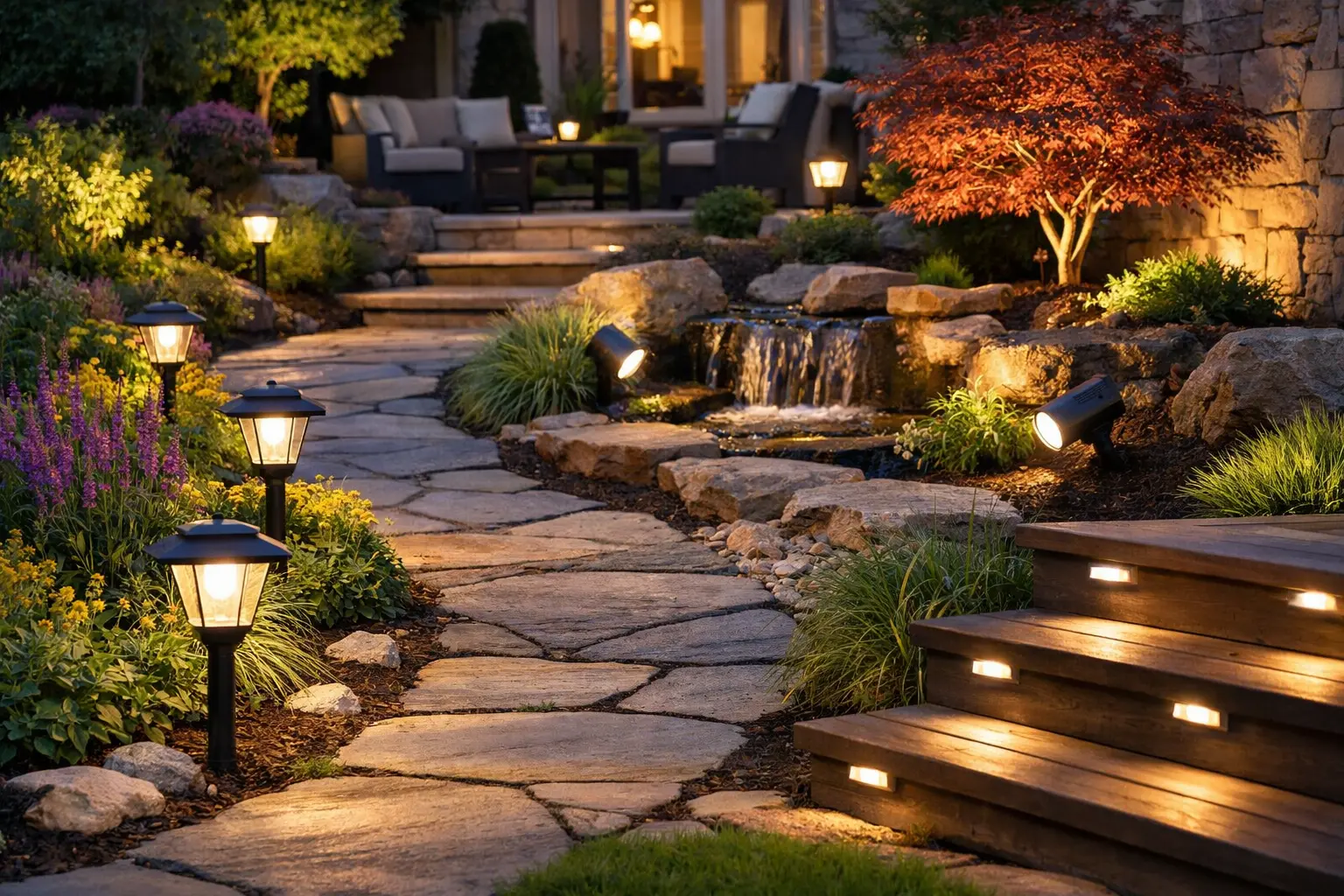
Quick Answer: My 7-Point Portfolio Solar Lighting Feasibility & Battery Saturation Matrix
Deciding if solar lights are worth your investment comes down to measuring true daily sun exposure and setting realistic expectations for brightness, not just avoiding a wiring project. While the idea of free energy from the sun sounds perfect, these standalone units rely entirely on tiny built-in photovoltaic cells and small rechargeable batteries that live and die by your local weather patterns and yard shade.
Whenever I evaluate a property to see if solar stakes will actually perform or if they will just turn into disposable plastic junk within a single season, I run through these seven specific baseline rules:
- 1. The 6-to-8 Hour Sun Baseline: I only install solar fixtures in zones that receive completely unobstructed, direct sunlight for a minimum of 6 to 8 hours daily; anything less leaves the internal cell half-charged.
- 2. Soft Accent vs. Security Lumens: I use solar strictly for soft, decorative path markers or ambient garden glow; if you need bright, focused security beams to illuminate a driveway or tree canopy, solar cannot compete with wired power.
- 3. The Winter Saturation Drop: I always remind people that when seasonal tracking shifts and days get shorter, your lights will naturally dim down or shut off entirely just a few hours after sunset.
- 4. Shaded Obstruction Boundaries: If your layout runs under mature oak trees, beneath roof overhangs, or along the north side of a privacy fence, the lack of UV saturation makes solar completely useless.
- 5. Battery Life Cycles and Degradation: The cheap NiMH or lithium cells inside these stakes degrade quickly from summer heat and winter freezes; I plan on digging them up and swapping batteries every 12 to 18 months.
- 6. Plastic vs. Commercial Glass Housings: I avoid ultra-cheap multi-packs because the plastic lenses oxidize and cloud over from sun exposure within months, permanently choking out whatever weak light the bulb emits.
- 7. The True Cost of Zero Wiring: While skipping the trenching and transformer saves you money on day one, replacing short-lived solar units repeatedly often costs more over time than running a single, permanent 12V copper line.
⚠️ CRITICAL PERFORMANCE WARNING: Forcing solar stakes into high-traffic safety zones or dark, shadowed walkways usually results in complete darkness by late evening, creating serious tripping hazards. Pushing solar past its physical limits triggers three specific system failures that I break down in my regional performance blueprints below.
If your yard doesn't get enough consistent sunlight to saturate a solar panel, don't waste your money. You can check out my comprehensive low-voltage lighting layout and transformer guide to see how easy it is to set up a dependable, wired system that shines bright 365 days a year, regardless of the weather.
Should You Use Solar Lighting?
| Your Situation | Solar Works? | Better Option |
|---|---|---|
| Full sun yard | Yes | Solar lighting works well |
| Partial shade | Sometimes | Test placement carefully |
| Heavy shade | No | Use low voltage lighting |
| Need bright lighting | No | Use wired system |
| Small decorative lighting | Yes | Solar is a great option |
Most solar lighting problems come from poor sun exposure, not bad fixtures.
Start Here: Should You Choose Solar?
- If your yard gets full sun → solar is a good option
- If your yard is shaded → use low voltage lighting
- If you want easy install → solar wins
- If you want brightness → go wired
Choosing the right system depends more on your yard than the product itself.
Solar lighting works best when you use it in the right places. If your goal is simple pathway guidance, decorative garden light, or easy DIY installation, it can be a very practical option.
A lot of homeowners start with solar lights because they want quick outdoor improvement without the commitment of a wired system. That makes sense. But it also helps to understand what solar fixtures are best at and what they are not designed to do. This page is written to help you make that decision before you spend money on the wrong kind of outdoor lighting.
Introduction to Portfolio Solar Lighting
Portfolio solar lighting is outdoor lighting powered by sunlight instead of a wired electrical connection. During the day, the solar panel on the fixture collects sunlight and charges a small internal battery. At night, that stored energy powers the light. For homeowners, that means no trenching, no transformer, and no low voltage cable run just to add basic decorative or pathway lighting.
That simplicity is exactly why solar outdoor lighting is so popular. If you want to add light to a garden path, small patio, flower bed, or yard accent area without doing a full installation project, solar lights can be a very approachable starting point. They are especially common in places where the main goal is a little guidance or visual interest rather than maximum brightness.
On a site like this, solar lighting fits naturally into the broader conversation around Portfolio outdoor lighting and Portfolio landscape lighting. It is one option inside that larger outdoor category, and it tends to be most useful when the visitor wants convenience, flexibility, and easier DIY installation.
If you are deciding whether solar is the right choice for your yard, compare it directly against wired systems in the solar vs low voltage energy efficiency guide to see real differences in brightness, runtime, and long-term value.
Are Portfolio Solar Lights Worth It?
Portfolio solar lights can work very well in the right conditions, but they are not the best choice for every yard. If your space gets strong direct sunlight and you want simple pathway or decorative lighting, solar fixtures are often a fast and easy solution.
However, if your yard has heavy shade, long winter seasons, or you need brighter and more consistent lighting, solar lights may fall short. In those cases, many homeowners switch to low voltage landscape lighting for better performance.
- Best for: pathways, small gardens, accent lighting
- Not ideal for: large yards, bright security lighting, shaded areas
- Biggest advantage: no wiring required
- Biggest drawback: performance depends on sunlight
Types of Portfolio Solar Lighting Fixtures
When people search for Portfolio solar lighting, they are not always looking for the same kind of fixture. Some want solar path lights. Others want accent spotlights. Some need deck or step lights for safer movement around outdoor living spaces. Knowing the category helps you buy the right fixture for the job.
Solar Path Lights
Solar path lights are the most common choice because they are useful in so many places. They work well for walkways, driveways, garden paths, and front-yard approaches where you want a visible route after dark without hardwiring the area. If path lighting is your main goal, visit Portfolio path lights.
Solar Spotlights
Solar spotlights are better when you want to highlight something specific like a tree, a house accent, a planting bed, a flag, or a landscaping feature. They give you more directional light than a path light, although they still tend to be less powerful than a wired spotlight system. See Portfolio landscape spotlights.
Solar Deck and Step Lights
Solar deck and step lights are useful around stairs, patios, decks, and outdoor seating areas where you want lower-level safety light without dealing with a wiring project. Depending on the space, they may pair naturally with Portfolio deck lighting and Portfolio step lighting if you later move toward a more permanent system.
How Solar Landscape Lighting Works
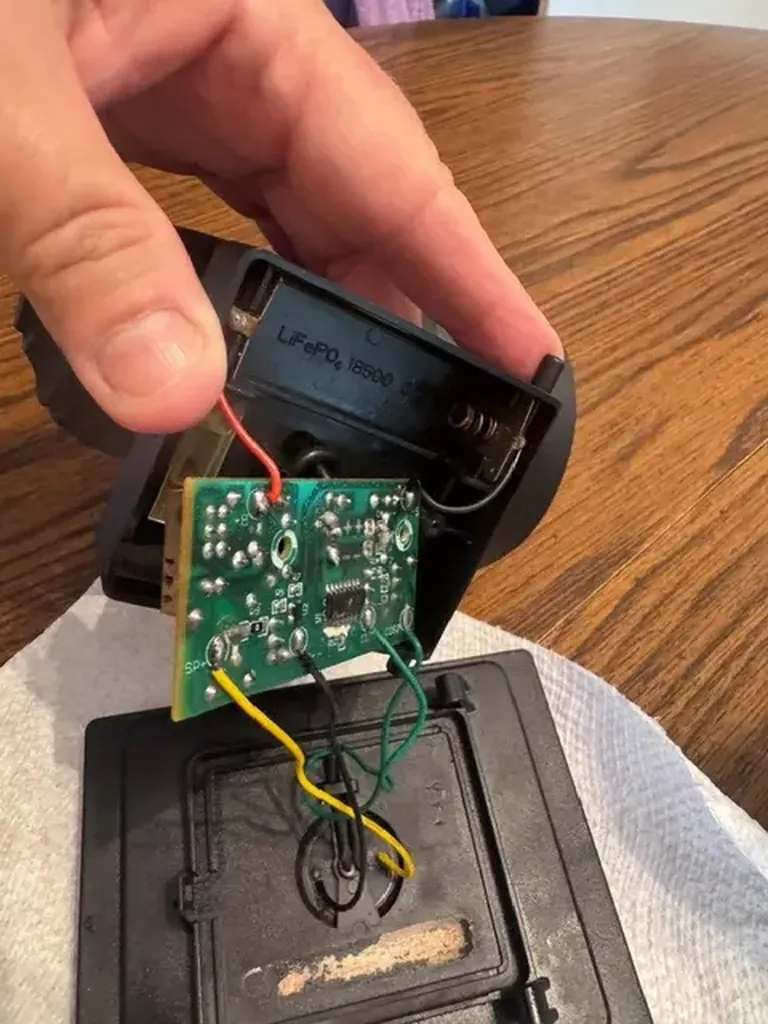
Solar landscape lighting is actually pretty simple once you break it into parts. A typical solar fixture has a small group of components that work together to collect energy during the day and release light at night.
| Component | Purpose |
|---|---|
| Solar panel | Collects sunlight during the day |
| Battery | Stores the collected energy |
| LED bulb | Produces light at night |
| Sensor | Turns the light on when it gets dark |
Many solar lights use a dusk-to-dawn sensor, which means the light automatically turns on in low light conditions and off again when daylight returns. That automatic operation is one of the biggest reasons visitors like solar fixtures. Once the light is installed in a good sunny location, there is usually very little daily management required.
Before You Choose Solar, Compare These Options
Solar lighting is not the only option for outdoor spaces. If you are deciding between convenience and performance, it helps to compare solar with wired systems before you buy.
Advantages of Solar Lighting
Homeowners usually choose solar landscape lighting for practical reasons, not because they expect it to perform like a full wired system. The biggest advantage is that there is no wiring required. That makes solar fixtures one of the easiest ways to improve the look of a yard without committing to trenching, transformers, or electrical planning.
Easy DIY installation is another major benefit. In many cases, you can place the light, insert the stake, aim the panel toward the sun, and be done. That is a much simpler project than installing low voltage cable or planning a transformer layout. Solar fixtures are also portable. If you decide you do not like the placement, you can usually move them without much effort.
Many visitors also like solar lighting because it supports energy savings and feels more environmentally friendly. The lights use solar charging instead of drawing regular power from the house, which is why this topic naturally connects with Portfolio energy efficient lighting.
- no wiring required
- easy DIY installation
- lower operating cost
- portable and easy to reposition
- useful for decorative lighting in smaller areas
Solar Portfolio Lights Fail Differently Than Wired Fixtures
Solar Portfolio lights usually fail from battery fatigue, dirty panels, water inside the lens, weak switches, or poor sun exposure, while wired fixtures more often fail from connector corrosion, voltage drop, sockets, or transformer issues. To compare these repair paths, use the Portfolio Lighting Model SLL12BK solar light parts guide alongside the Portfolio Lighting Model 7133C replacement parts guide and the Portfolio DualBrite PF-4300-BK motion light manual.
Limitations of Solar Landscape Lighting
Honest content matters here because solar lighting is not perfect for every property. In fact, many visitors are happier when they know the limitations before they buy. Solar fixtures are usually not as bright as wired low voltage lights. If you want stronger driveway visibility, dramatic uplighting, or a larger property-wide lighting plan, solar may feel underpowered.
Battery life is another important factor. Even if the fixture body still looks good, battery performance can fade over time. Shaded areas also create problems. A solar light that does not receive enough direct sun during the day usually will not perform well at night no matter how attractive the product looks on the box.
Winter is another real-world limitation. Shorter days, cloudy weather, snow, and lower sun angle all reduce charging potential. That does not mean solar lights stop working completely, but it does mean performance often becomes less reliable in colder months.
Solar vs Low Voltage Landscape Lighting
This is one of the most useful comparisons for a site visitor because a lot of homeowners are really deciding between convenience and performance. Solar lighting is usually easier to install. Low voltage lighting is usually brighter and more consistent. The better choice depends on what you want the yard to do after dark.
| Feature | Solar Lighting | Low Voltage Lighting |
|---|---|---|
| Installation | No wiring | Requires transformer and cable |
| Brightness | Moderate | Higher output |
| Maintenance | Battery replacement | Bulb and fixture maintenance |
| Reliability | Weather dependent | More consistent power |
If you want a brighter, more controlled outdoor lighting plan, compare this page with Portfolio low voltage lighting and low voltage landscape lighting. Those pages are better if your goal is a more permanent and higher-performing system.
Best Places to Use Solar Lights
Solar lights usually perform best in areas where the fixture can get decent sun during the day and where you do not need maximum brightness at night. Smaller yards are often a very good fit. The same is true for simple decorative areas where you want easy visual improvement without running wire.
Garden Pathways
Path lights along flower beds or front walks are one of the easiest and most effective uses for solar fixtures. This is especially true in small to medium yards where the path already gets decent sun exposure.
Flower Beds and Landscape Edges
Solar lights can add just enough decorative glow to make a planting bed or garden border feel more finished after dark.
Patio Edges and Small Outdoor Rooms
Solar deck and step lights can support patios, stairs, and deck edges when you want easier movement and softer atmosphere.
Decorative Accent Lighting
Solar spotlights can work well on smaller trees, decorative shrubs, flags, and simple landscape accents when the goal is modest visual emphasis instead of dramatic architectural lighting.
If you want more inspiration for how these placements can look, use Portfolio landscape lighting ideas.
Installing Portfolio Solar Lights
One of the biggest reasons visitors choose solar lighting is that installation is simple. You do not need to plan wire runs or connect a transformer. But the lights still need smart placement if you want them to perform well.
- Choose locations that get strong sunlight during the day.
- Insert the ground stake or mount the fixture securely.
- Position the solar panel toward the best sun exposure possible.
- Allow the fixture a full charge cycle before expecting strong nighttime output.
- Test the placement after dark and move the light if necessary.
This is also where homeowners often discover that “easy installation” does not automatically mean “good placement.” A solar light can be installed in minutes and still underperform if the panel sits in afternoon shade.
Maintaining Solar Landscape Lights
Solar lights are low maintenance, but they are not zero maintenance. The easiest thing you can do is keep the solar panel clean. Dirt, pollen, leaves, and debris all reduce how much sunlight the panel can collect. Even a decent fixture will underperform if the charging surface is constantly dirty.
Battery replacement is another common maintenance task. Over time, rechargeable batteries lose capacity, which means the light may run for a shorter period or appear weaker than it used to. In colder climates, winter storage or at least seasonal monitoring can help extend the life of the fixtures. Repositioning is also part of maintenance in a practical sense. A light that performed well in spring may get blocked by plant growth later in the season.
Solar Landscape Lighting Still Needs Performance and Permit Awareness
Solar landscape lights are often treated as simple decorative products, but larger projects still benefit from product documentation, site planning, and inspection awareness. The solar lighting performance standards UL 8750 guide explains why LED equipment, batteries, photovoltaic modules, charge controllers, and enclosures should be evaluated as a system. If solar fixtures are part of a broader landscape plan, check the state-by-state landscape lighting permit requirements and document fixture locations with the as-built lighting diagram requirements page. To avoid preventable installation problems, review the landscape lighting code violations guide and the inspection failure database.
Common Problems With Solar Lighting
Solar lights can fail or underperform for several reasons, and most of them are familiar once you know what to look for.
Solar Lights Not Working
If the light will not turn on at all, check the battery, panel cleanliness, sensor behavior, and whether the fixture has had enough full daylight charging time.
Dim Lights
Dim output often comes from weak charging, battery wear, or a poor location with too much shade.
Battery Failure
Batteries do not last forever. Older solar lights often need a fresh rechargeable battery before the homeowner assumes the whole fixture is dead.
Lights Not Charging
A dirty panel, blocked panel, aging battery, or internal electronic issue can all reduce charging performance.
For broader support, visit Portfolio lighting troubleshooting and Portfolio landscape lighting troubleshooting.
Alternatives to Solar Lighting
Some homeowners eventually decide solar lights are not bright enough or consistent enough for what they want. That does not mean solar was a bad idea. It just means the yard may be asking for a different kind of system.
If you want brighter light, more dependable all-night performance, or a larger-scale outdoor layout, compare solar fixtures with Portfolio low voltage lighting and Portfolio outdoor transformer lighting. Those systems take more planning and installation work, but they usually deliver stronger and more reliable results.
Final Thoughts on Portfolio Solar Lighting
Portfolio solar lighting works best when expectations match reality. If you want quick installation and simple outdoor lighting, solar can be a great fit. If you want stronger brightness and consistent all-night performance, a low voltage system is usually the better long-term solution.
Portfolio Solar Lighting FAQ
Are solar landscape lights bright enough?
Usually for pathways, small gardens, and decorative lighting, yes. But they are generally less bright than wired low voltage systems.
How long do solar lights last?
The fixture can last for years, but battery performance, panel condition, and weather exposure all affect how well the light continues to perform.
Do solar lights work in winter?
They can, but shorter days, cloud cover, snow, and lower sun angle often reduce charging and nighttime performance.
Can solar lights replace wired landscape lighting?
Sometimes for decorative use, yes. But homeowners who want brighter or more dependable outdoor lighting often prefer low voltage systems.
How do you replace solar light batteries?
Most solar lights have a battery compartment under the cap or inside the housing. Replace the old rechargeable battery with the same compatible type recommended for the fixture.